






 Finance
Staying hydrated is vital for the body’s proper functioning. But consuming only water isn’t enough. Our bodies lose water throughout the day through sweat, urination, and evaporation, which results in the loss of key nutrients and minerals required for optimum health. In extreme circumstances, the body may even become dehydrated.
A BHMS nutritionist and dietitian said that, on a physiological level, dehydration includes not just water loss but also electrolyte loss, fluctuating body temperature, urine concentration, weakness, and a variety of other symptoms. Chugging water alone cannot compensate for these losses, hence drinks with a greater hydration index have been regarded more effective in times of dehydration.
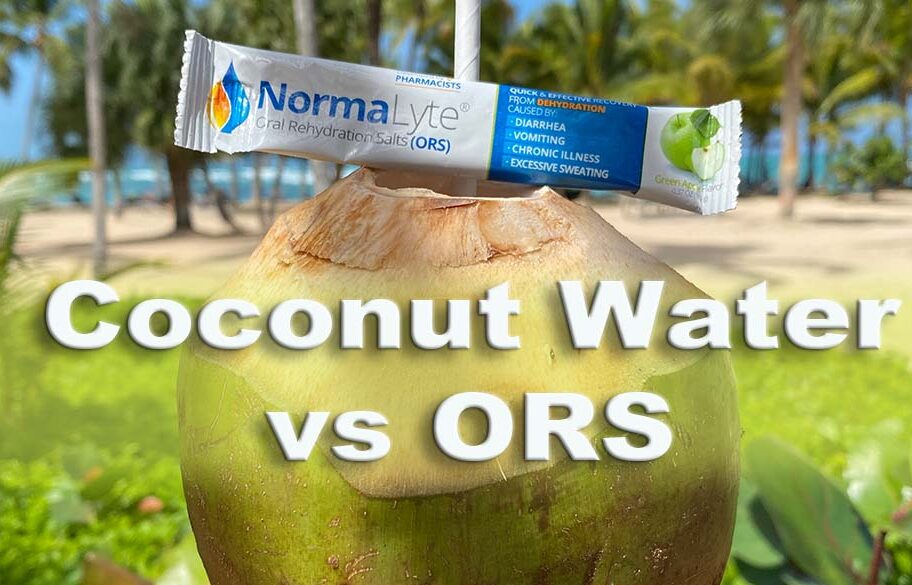
Hot weather, dehydration, vomiting, or diarrhea can quickly deplete the body of critical salts. In such instances, ORS is the most reliable option because it is designed for quick absorption. Energy drinks and high-caffeine beverages should be avoided because they may exacerbate fluid loss. When it comes to dealing with dehydration, coconut water is a formidable challenger to ORS.
A clinical dietitian explained that coconut water is a natural source of electrolytes such as potassium, magnesium, and salt. It’s refreshing, somewhat sweet, and good for minor dehydration induced by heat, light activity, or fasting. It helps to replenish fluids while also supplying natural sugars and antioxidants.
However, she shared that it is low in sodium compared to ORS, which limits its effectiveness in severe dehydration (like after vomiting or diarrhea.
“ORS, on the other hand, is scientifically formulated with the right balance of glucose and electrolytes—especially sodium and potassium—to quickly restore lost fluids and salts,” said Shah, who believes it is the best choice for moderate to severe dehydration, especially during illness, heavy sweating, or prolonged outdoor activity.
How much should you drink?
Doctor suggested that 1-2 glasses (200-400 ml) of coconut water per day would be sufficient for mild dehydration or daily hydration maintenance. “ORS you should sip slowly as needed—generally 200-400 ml after each episode of fluid loss (like diarrhea, vomiting, or intense sweating),” she advised, pointing out that overuse is dangerous.
Other natural alternatives include lemon water with a pinch of salt and sugar, as well as buttermilk with a little salt and cumin. “In short, choose coconut water for gentle rehydration and ORS for medical or severe dehydration, as both can complement each other depending on your body’s needs,” dr. added.
Another doctor further told that not just liquid drinks but also the foods you eat can help you in staying hydrated. “A human body can also restore the water balance by eating foods with higher levels of water, like melons, tomatoes, soaked beans, and all the raw fruits and vegetables contain more water as compared to cooked ones. A whole fruit eaten will keep up your body water for a longer duration as compared to plain water,” dr. says.
For most people, daily hydration can be managed through water and foods rich in electrolytes. “Bananas, leafy greens, citrus fruits, curd and coconut water are excellent natural sources. If you are not exercising heavily or living in extreme conditions, this everyday intake is usually enough,” said Shah. However, she reminded that balance matters. “Too much sodium can raise blood pressure, while too little can leave you weak. Stay hydrated, eat a variety of foods, and seek medical advice if you have ongoing concerns,” dr. added.
(Disclaimer: The article’s advice and recommendations are meant primarily as general information and should not be interpreted as expert medical advice. Before beginning any exercise program or making any dietary changes, always get advice from your doctor or a dietitian.)
Source: IE