




 Finance
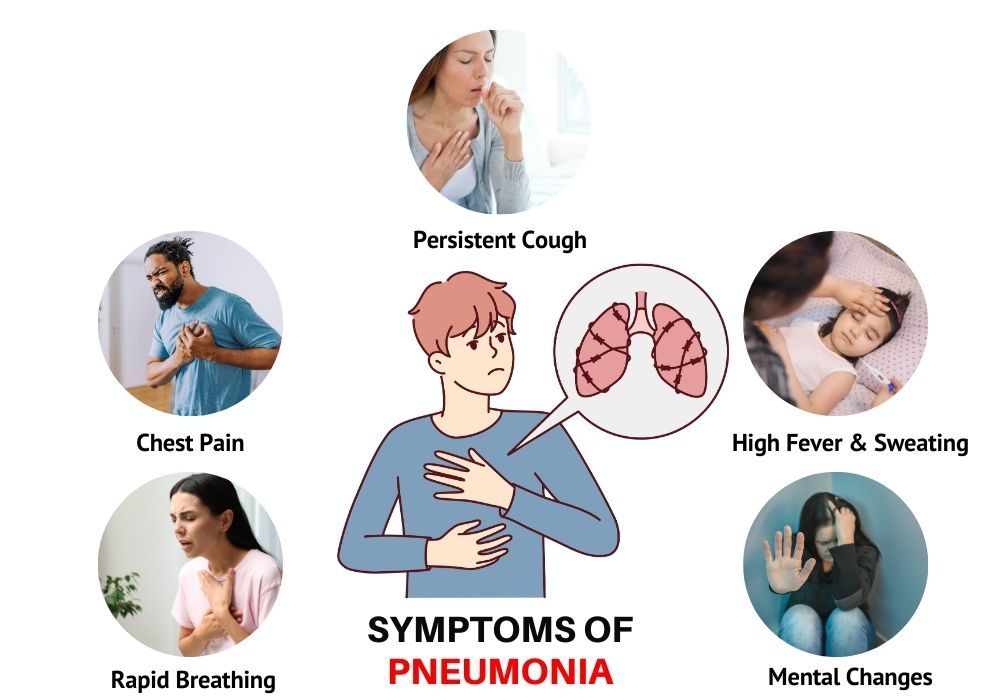
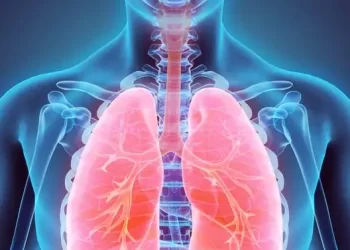
Pneumonia is an illness that causes inflammation of the air sacs in one or both lungs. The air sacs can fill with fluid or pus (purulent material), resulting in a phlegmy cough, fever, chills, and difficulty breathing. Pneumonia can be caused by a variety of organisms, such as bacteria, viruses, or fungi.
Pneumonia can be minor or life-threatening. It is especially dangerous for infants and young children, adults over the age of 65, and those with medical conditions or compromised immune systems.
Symptoms
Pneumonia symptoms range from minor to severe, depending on the germ causing the infection, your age, and overall health. Mild signs and symptoms can be comparable to those of a cold or flu, but they remain longer.
Signs and symptoms of pneumonia may include:
- Chest pain when you breathe or cough
- Confusion or changes in mental awareness (in adults age 65 and older)
- Cough, which may produce phlegm
- Fatigue
- Fever, sweating and shaking chills
- Lower than normal body temperature (in adults older than age 65 and people with weak immune systems)
- Nausea, vomiting or diarrhea
- Shortness of breath
Newborns and infants may not show any sign of the infection. Or they may vomit, have a fever and cough, appear restless or tired and without energy, or have difficulty breathing and eating.
When to see a doctor
See your doctor if you have difficulty breathing, chest pain, persistent fever of 102 F (39 C) or higher, or persistent cough, especially if you’re coughing up pus.
It’s especially important that people in these high-risk groups see a doctor:
- Adults older than age 65
- Children younger than age 2 with signs and symptoms
- People with an underlying health condition or weakened immune system
- People receiving chemotherapy or taking medication that suppresses the immune system
Pneumonia can swiftly become a life-threatening condition in some older people, as well as those with heart failure or persistent lung difficulties.