





 Finance
Breakfast is more than simply a meal when you have diabetes; it’s an opportunity to start the day steadily. Ragi and oats are two nutritious alternatives that have gained attention since many people are giving up white bread and sugary cereals. However, which one actually improves blood sugar regulation?
You’re not alone if you’ve ever been torn between a warm bowl of ragi porridge and hearty oats. Both are excellent choices! Let’s examine this more closely:
Why Ragi is great, but not always the best for diabetes
Iron, calcium, and fiber are also abundant in finger millet, or ragi. It is a staple in Indian kitchens and is frequently praised for its slow-digesting carbs. For diabetics who want to avoid blood sugar spikes, this makes it a possible winner.
Ragi contains polyphenols and dietary fiber, which are proven to improve the body’s reaction to insulin and lower blood glucose levels. According to a study that was published in the Asia Pacific Journal of Clinical Nutrition, finger millet, when consumed whole, caused a slower rise in blood sugar than rice and wheat.
The catch is that ragi digests more quickly when it is ground into fine flour. This could result in a faster release of glucose while preparing smooth porridge or thin ragi dosas using flour.
Oats: A scientifically proven grain for blood sugar control
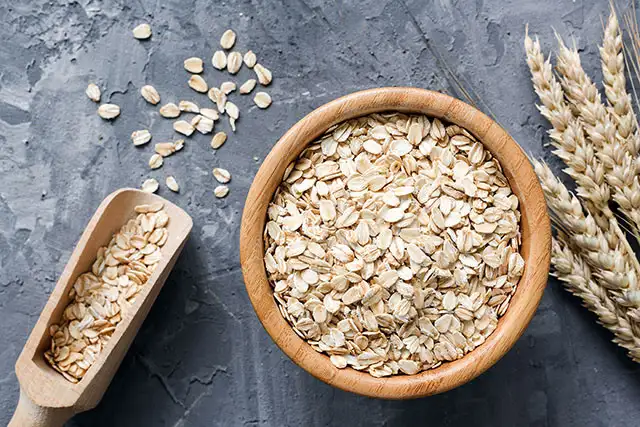
Oats, especially the steel-cut or rolled kind, are famous for their beta-glucan content, a type of soluble fibre that forms a gel in your gut.This slows down digestion, prolongs feelings of fullness, and regulates blood sugar levels after meals.
In individuals with type 2 diabetes, oats can dramatically lower fasting blood glucose and HbA1c levels, according to a meta-analysis published in the British Journal of Nutrition. That’s significant because it demonstrates that oats have long-term benefits rather than just short-term ones.
Additionally, steel-cut oats have a low glycaemic index, which makes them ideal for breakfast meals in contrast to instant oats, which are more processed and frequently contain additional sugar.
So… which is better for breakfast?
Ragi is a great local alternative if you’re looking for tradition, minerals, and fiber. It’s even better when sprouted or mixed with protein sources like almonds or curd.
Oats, on the other hand, are a safer option if you’re searching for a grain with scientific support that provides consistent blood sugar control. More research has been done on them, and the findings consistently demonstrate their advantages.
However, keep in mind that how you prepare these grains is important!
Keep in mind that both ragi and oats can be included in a diabetic diet. It’s about how and when you eat them, not about picking one for life. Switch between the two, include additional whole grains, and prioritize moderation over restriction.
The answer to the question of what you can consume isn’t always clear-cut. Warm ragi with spices when you’re craving Desi food, or creamy porridge with almonds on a chilly morning. Eat wisely, not just what’s in style.