






 Finance
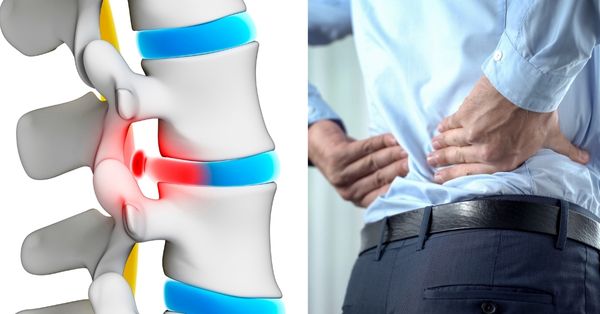
In today’s fast-paced corporate world, extended working hours, bad posture, and sedentary habits have silently contributed to an increase in spine disorders among working professionals. Slipped disc, also known as herniated or prolapsed disc, is a common but often overlooked ailment.
While slipped discs have generally been linked with aging or heavy physical labor, they are now harming adults in their late twenties to forties, particularly those in desk-based, technical, and managerial positions. 80% of people will have back discomfort at least once in their lives.
What is a Slipped Disc?
According to a Doctor, Senior Director of Neurosurgery, the cushions between your vertebrae assist absorb shocks to your spine. If you hurt your spinal discs due to a weaker outer layer (the annulus), the inside gel substance may expand or leak. When gel bulges or leaks, it can cause pain, numbness, or paralysis in the area near the disc.
Why working professionals are increasingly at risk of slipped disc
- Lumbar spine pressure increases due to long periods of sitting (6-8+ hours). Over time, consistent pressure on lumbar discs reduces their ability to maintain proper alignment, which can lead to disc herniation.
- Forward leaning toward computer monitor/screens, poor posture in chairs and working on laptops without ergonomically designed desk setups puts extra pressure on the spinal disc.
- Being sedentary results in decreased muscle strength and flexibility, thus creating additional stress caused by greater loading of the lumbar spine.
- The effects of chronic workplace stress will generate tension in muscles that surround the cervical vertebrae (neck) and lumbar vertebrae (lower back), increasing the susceptibility to discs that become damaged.
- In many occupations characterised by continual lifting/twisting/bending, like healthcare, logistics, and manufacturing, the potential for disc-related injuries is also much greater.
Common slipped disc symptoms that are often ignored at work
- Persistent lower back or neck pain
- Pain radiating to arms or legs (sciatica)
- Tingling, numbness, or muscle weakness
- Difficulty standing or sitting for long periods
- Sudden sharp pain while bending or lifting
- Difficulty in passing urine and bowel movements
Early symptoms are often mistaken for “work fatigue” or “muscle strain,” delaying treatment – so early diagnosis and treatment are important.
How a slipped disc is diagnosed by doctors
A Neurosurgeon or spine specialist assesses symptoms, posture, mobility and neurological assessment.
CT scan, X-ray and MRI are the standard for confirming disc herniation.
Slipped disc treatment options: What actually works
The good news: Most people improve within 2–3 weeks without surgery.
- Use a warm or cold gel pack for comfort.
- Medicines: Painkillers (no aspirin) and anti-inflammatories; nerve-pain drugs if needed.
- Physiotherapy: Core strengthening, stretches, and posture training.
- Injections: Steroid injections may reduce nerve irritation in select cases.
When is surgery needed for slipped disc?
Surgery performed by a neurospinal surgeon is reserved for severe or chronic cases. Microdiscectomy is a frequent treatment that eliminates the bulging section of the disc that is pushing on the nerve without sacrificing any spinal bone.
Surgical Options: Only 1% of individuals require surgery if it is necessary. Below are a few options for surgery:
- Microsurgery
- Endoscopy surgery
- Minimally Invasive Surgery
- Minimal access surgery
- Navigation-guided surgery
- Spinal Fusion Surgery
How to prevent slipped disc if you have a desk job
Ergonomic Workstation Setup
- Chair with lumbar support
- Screen at eye level
- Laptop stand + external keyboard
- Feet flat on the floor
Simple daily habits to protect your spine at work
Follow the 20-20-20 rule
Every 20 minutes, stand or stretch for 20 seconds.
Strengthening Exercises
Core strengthening, regular walking, yoga, and stretching help maintain spine health.
Regular Walking
Walk 10,000 steps in a day
Weight Management
Excess body weight increases spinal pressure.
Stress Reduction
Mindfulness, light stretching, and deep breathing help relax tense muscles.
Slipped discs are quickly developing as a modern working challenge. While long hours and rigorous schedules may be unavoidable, deliberate lifestyle choices, ergonomic modifications, and prompt medical intervention can make a significant difference. Protecting your spine is more than simply a health concern; it’s an investment in your long-term productivity and wellbeing.
(Disclaimer: The article’s advice and recommendations are meant primarily as general information and should not be interpreted as expert medical advice. Before beginning any exercise program or making any dietary changes, always get advice from your doctor or a dietitian.)