





 Finance

The monsoon alert issued by the Indian Meteorological Department (IMD) indicates that India should prepare for severe rainfall. Along with the relief from the sweltering heat of Indian summers, you must also consider the elements that enhance your risk of food poisoning. Food poisoning during the monsoon season can occur as a result of contact with polluted water or food. However, other factors such as increased humidity, hotter temperatures, faster microbial development, and food storage issues can all have an impact on your health.
To avoid them, however, you must first understand how food poisoning affects you. With this awareness, you can take the necessary precautions to avoid severe health consequences caused by food poisoning.
5 Factors That Could Raise Your Risk Of Food Poisoning
1. High Humidity Allows Bacteria To Multiply Faster
Research published in the International Journal of Environmental Research and Public Health highlights that high humidity levels lead to the multiplication of bacteria. This is why keeping food at room temperature should not be done to avoid possible contamination.
2. Moist Conditions Promote Food Spoilage
The level of moisture in the air can lead to the food spoiling faster, especially during the monsoon, which needs to be considered when considering the risk of food poisoning. Bacteria can multiply in cooked food and cause the food to spoil too quickly. People should always consume fresh food for their meals to avoid a possible case of food poisoning.
3. Common Foodborne Pathogens
Bacteria such as Salmonella, E. coli, Campylobacter, and Staphylococcus aureus can multiply in food, leading to its contamination. To assess if the food is contaminated, any foul smell, visual discolouration, or any other visible change should stop you from consuming the food source.
4. Contaminated Water Can Introduce Harmful Germs
Contaminated water is a major health concern that can lead to food poisoning. Parts of India have already recorded a spike in cases of serious waterborne diseases, which will only increase as waterlogging happens. Contaminated underground water sources, unfiltered water used to make ice, and even raw produce during the monsoon can expose your body to a case of food poisoning.
5. Unsafe Drinking Water
A major health concern resides in your drinking water source, as serious contaminants can dilute any healthy aspect of drinking water. Furthermore, waterborne pathogens can contaminate food and beverages, which can increase the risk of food poisoning.
6. Ice Cubes, Street Drinks And Raw Produce
Most people don’t consider the water that is used to make the ice cubes in their drinks or the possible risk of health contaminants in street drinks. Even raw produce can prove risky during the monsoon due to the high risk of bacterial growth.
These hidden sources of contamination should make you wary of your dietary choices.
7. Eating Street Food During Monsoon May Increase The Risk
Street food is prepared in open areas where rain can enter into a food source, triggering various health risks. One of the risks is that of food poisoning, as the street vendor can struggle to keep the food it prepares clear of any contaminants.
8. Exposure to Rainwater and Dust
Monsoon season makes street food exposed to rainwater, and dust in the air makes the food you eat turn into poison. Open food stalls are more vulnerable to food contamination, and hence, you need to make sure you avoid eating street food during the monsoon.
9. Poor Storage Practices
Poor food storage practices, such as keeping the food uncovered or leaving cooked food at room temperature, can make it a source of food poisoning.
10. Improper Food Storage At Home Can Be A Problem
Improper food storage practices at home can also pose risks to health issues such as food poisoning. From leaving the food you prepare out for too long to making refrigeration mistakes, there are many ways to expose yourself to a case of food poisoning.
11. Leaving Food Out For Too Long
When you prepare food for eating in the kitchen, then you need to immediately consider the way the food can deteriorate at room temperature. Microbes can easily grow on the surface with fluctuations in humidity. All of these factors need to be kept in mind to avoid freshly prepared food from becoming a health hazard.
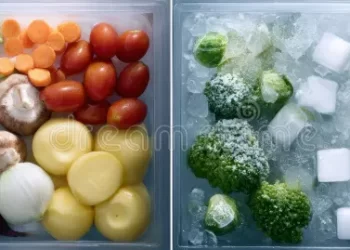
12. Refrigeration Mistakes
When you are using a fridge, you need to account for the temperature needed for each food that is being stored in it. If you reheat the same food over and over again, then you need to ensure that it doesn’t happen more than once.
13. Raw And Unwashed Fruits And Vegetables Can Carry Germs.
Consuming raw and unwashed fruits or vegetables can expose you to harmful microbes, which can increase your chance of food poisoning. From dirt and contaminated water used to preserve it to unhygienic handling practices, pathogens can be introduced to your system. To avoid serious gastrointestinal infections, you need to thoroughly wash your fruits, vegetables, or any raw produce that you are planning to consume.
14. Reduced Digestive Immunity And Seasonal Infections
The digestive system takes a hit during the monsoon as it struggles to function while fighting off seasonal infections in the environment. Research published in Environmental Perspectives highlights that seasonal gut infections are very common during the monsoon season. So, paying special attention to any possible avenues for infections needs to be minimised.
15. Seasonal Gut Infections
Diarrhoea, water contamination, foodborne illnesses, and waterborne diseases create a petri dish of seasonal illnesses that can expose you to seasonal gut infections.
Vulnerable Groups
For those who have an underdeveloped or immunocompromised immune system, their risk of food poisoning can result in serious health complications. Here are the most vulnerable groups that need to take care during the monsoon season to avoid food poisoning:
- Children
- Older adults
- Pregnant women
- People with weakened immunity
What Symptoms Of Food Poisoning Should You Never Ignore?
Food poisoning symptoms can range from mild to severe, but when the first signs start to appear, taking the right medical approach to treatment is necessary. Here are the common symptoms that signal food poisoning and red flags that indicate severe food poisoning.
Common Symptoms
- Nausea
- Vomiting
- Diarrhoea
- Abdominal pain
- Fever
- Dehydration
Red Flags
- Blood in stools
- Severe dehydration
- High fever
- Persistent vomiting
Food poisoning symptoms should not be neglected during the rainy season, and prompt medical attention is required for a speedy recovery.
Disclaimer: This content, including advice, is intended to provide general information only. It is not a substitute for a professional medical opinion. For more information, always contact with a specialist or your doctor.
Serious side effects like diarrhoea, indigestion, and even stomach infections are prevalent.