




 Finance
Vitamins and minerals are incredibly critical micronutrients that the body need for a variety of tasks. Vitamin B12 is an essential nutrient for the body. According to the Cleveland Clinic, this vitamin aids your body’s ability to maintain the health of its nerve and blood cells. It also helps your body produce DNA, the genetic material found in all of your cells.
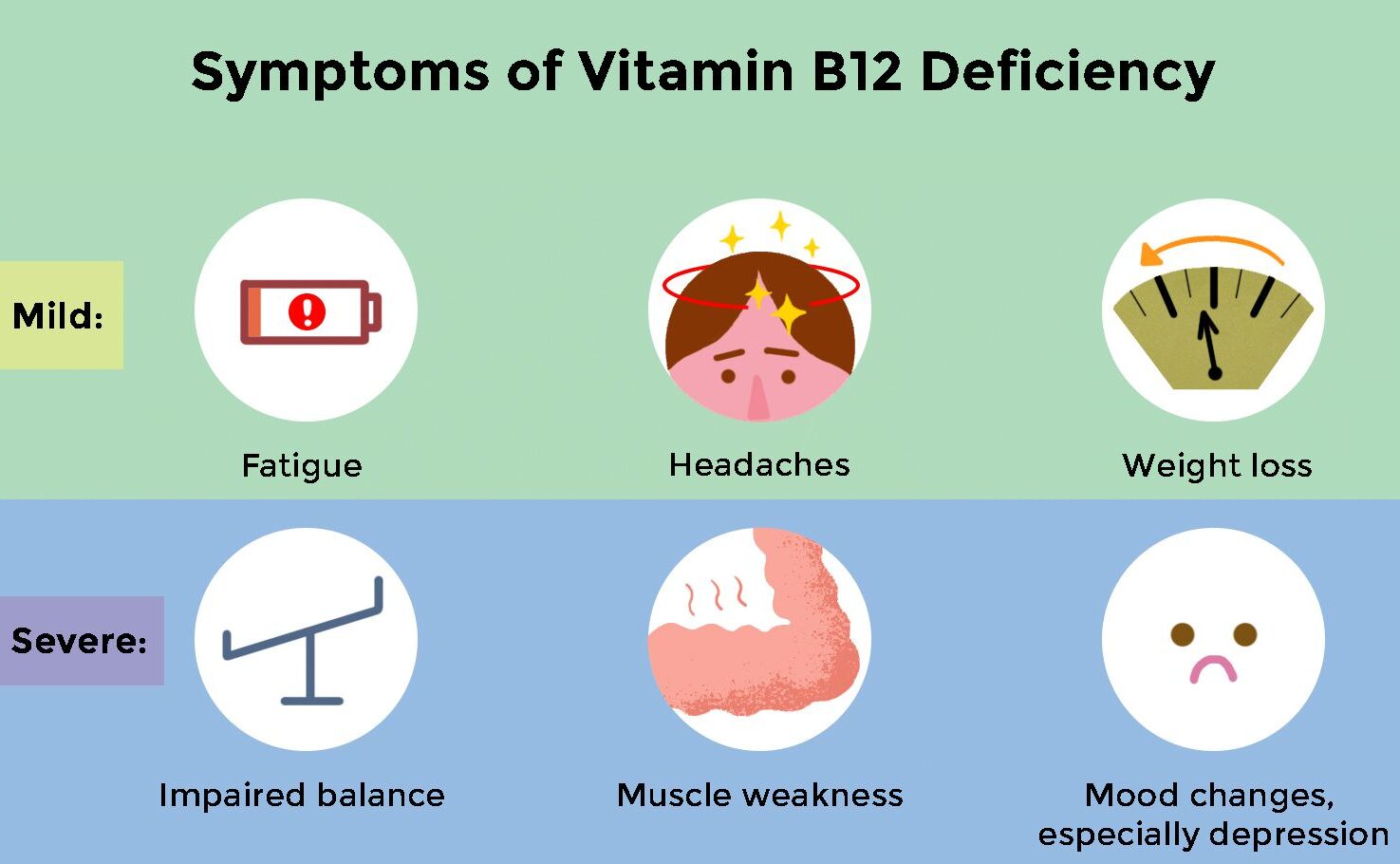
The body does not produce vitamin B12, so you must take vitamin B12-containing foods and beverages. Vitamin B12 shortage occurs when the body does not receive or absorb enough Vitamin B12 from the foods they consume. If your vitamin B12 deficiency is not treated, it might cause physical, neurological, and psychological issues. One approach to treating Vitamin B12 shortage is to first identify the symptoms. Here are some of the indicators of Vitamin B12 insufficiency you should be aware of.
Fatigue and Weakness
Vitamin B12 is necessary for red blood cell production, which helps to transport oxygen throughout the body. This deficit can result in fewer healthy red blood cells, causing anaemia. This can eventually result in fatigue, weakness, and a lack of energy.
Pale Skin
Low B12 levels can disrupt the development of red blood cells, leading them to break down more quickly. This breakdown produces bilirubin, which causes the skin and whites of the eyes to appear pale or slightly yellow, as observed in jaundice.
Numbness and Tingling
B12 is important for your nerves. A deficiency can lead to nerve damage, which can show up as tingling or numbness in the hands, legs or feet. This happens due to the disruption of the protective covering (myelin) of nerves.
Mouth Ulcers
Vitamin B12 deficiency may lead to inflammation of the tongue (glossitis), making it red, swollen and painful. You might also notice mouth ulcers or a burning sensation.
Shortness of Breath and Dizziness
The lack of red blood cells impairs the body’s ability to transport oxygen. As a result, the body compensates by boosting respiration, which causes shortness of breath and lightheadedness, particularly during vigorous exercise.
(Disclaimer: The tips and suggestions in this post are for general information only and should not be considered professional medical advice. Always with your doctor or a dietician before beginning a fitness program or making dietary adjustments.)
Source: InTv