





 Finance
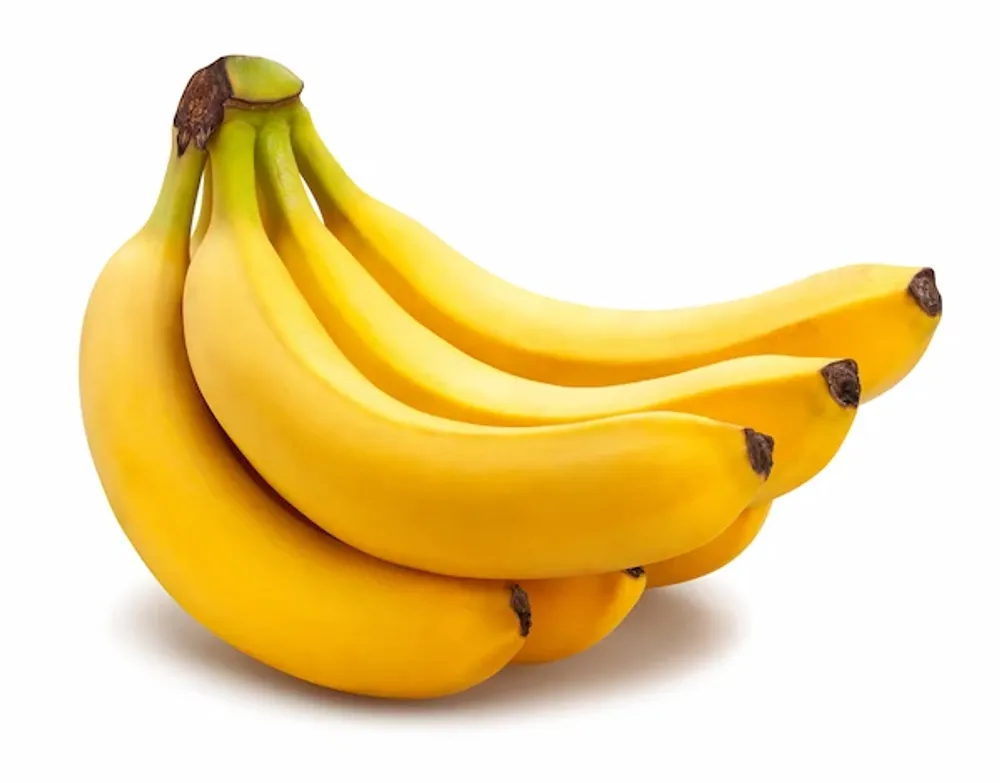
Bananas are one of the most popular and convenient fruits, including critical elements such as potassium, vitamin B6, and natural sugar. But does when you eat a banana matter? The answer is contingent on your physique, lifestyle, and health objectives.
MORNING: A QUICK ENERGY BOOST
Eating bananas in the morning can provide an instant energy boost due to their natural sugars glucose, fructose, and sucrose. They are especially useful if you’re in a hurry and need something quick before leaving.
However, consuming bananas on an empty stomach may not be suitable for everyone. Some persons have a short surge in blood sugar followed by a crash, leaving them exhausted.
PRE-WORKOUT: IDEAL FOR PERFORMANCE
Bananas are typically regarded as an ideal pre-workout food. Their quickly digestible carbohydrates provide rapid energy, and potassium aids avoid muscle cramps.
Eating a banana 30-60 minutes before exercise can boost endurance and performance.
MIDDAY SNACK: BALANCED AND FILLING
Having a banana between meals can help to satisfy hunger and prevent overeating later in the day. It’s a sensible, healthy alternative to processed snacks that will keep you full thanks to its fiber content.
EVENING OR NIGHT: SHOULD YOU AVOID IT?
There is a common belief that eating bananas at night is harmful, however this is not totally accurate. Bananas include magnesium and tryptophan, which may help relax muscles and improve sleep.
That said, for people prone to digestion issues, eating bananas late at night may cause slight discomfort or heaviness.
WHO SHOULD BE CAREFUL?
People with diabetes should limit their portion size owing to natural sugars. Those with delicate digestion may want to avoid eating bananas on an empty stomach.
Individuals with specific respiratory disorders occasionally report increased mucus (but evidence is limited).
There is no universally “perfect” moment to consume bananas. Morning and pre-workout are generally regarded as the optimal times for maximal effects, while nocturnal usage is dependent on individual tolerance.
The trick is to listen to your body and carefully combine bananas with other nutrients.
(Disclaimer: The article’s advice and recommendations are meant primarily as general information and should not be interpreted as expert medical advice. Before beginning any exercise program or making any dietary changes, always get advice from your doctor or a dietitian.)