






 Finance

The rainy season may bring cooler weather and beautiful scenery, but it also raises the risk of digestive issues such as bloating, nausea, and infections.
Doctors believe that a combination of high humidity, polluted food or drink, and poor hygiene habits might disrupt digestion and cause discomfort.
WHY MONSOON AFFECTS DIGESTION
“Digestion tends to slow down during the monsoon,” says a chief consultant gastroenterologist, “Humidity and cooler temperatures reduce gastric motility, meaning food stays in the stomach longer. This leads to bloating and discomfort after meals.”
Even without an obvious infection, the gut can react. “Sometimes the stomach just feels off, or there’s a lingering fullness,” says a Doctor “Spoiled or poorly stored food can irritate the stomach even if it looks fine.”
WHAT TO EAT AND WHAT TO AVOID
Doctors agree that warm, fresh meals are easier to digest during the monsoon than raw or oily foods.
“Street food and raw salads should ideally be avoided during this time, as they’re harder to clean thoroughly,” says Doctor. He recommends warm, home-cooked meals with natural digestive aids. “Adding cumin, ginger, or ajwain to meals can offer some natural support.”
Doctor suggests sticking to light, nourishing foods. “Choose soups, steamed dishes, or khichdi. Avoid oily or spicy foods, which can overburden the stomach. Probiotic-rich foods like yogurt or fermented rice help maintain good gut bacteria.”
KEEP PROTEIN SIMPLE AND STEADY
Heavy protein dishes can strain digestion during monsoon, but that doesn’t mean skipping protein entirely.
“Monsoon is the right time to keep meals simple but nutritionally balanced,” says Doctor. “Moong dal, lightly sauted paneer, boiled eggs, or chicken broth work well.”
Droctor echoes this and adds, “Instead of loading protein into one meal, spread it out through the day. A bit of dal at lunch, some eggs at dinner, this keeps digestion smooth without overloading the gut.”
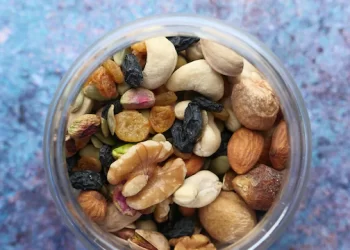
For vegetarians, soaked almonds, besan-based dishes, and split dals offer easy-to-digest, plant-based protein.
HYDRATION AND HYGIENE ARE NON-NEGOTIABLE
Safe drinking water is one of the most important steps to protect your gut.
“Even something as simple as drinking water that hasn’t been boiled properly can irritate the gut,” warns Doctor, Another Doctor advises drinking boiled or filtered water, herbal teas, or coconut water. “Avoid sugary drinks or too much caffeine, which can irritate the stomach lining.”
Hygiene also plays a major role. “Wash your hands before eating, keep kitchen surfaces clean, and avoid eating food that’s been left out too long,” says Doctor. “Humidity accelerates spoilage, so freezing perishable items and reheating food thoroughly can help.”
MOVEMENT MATTERS TOO
A sedentary lifestyle during the rains can make gut issues worse. “When people stay inactive for long stretches, digestion doesn’t move as smoothly,” says Doctor. “Even light movement indoors after a meal can support digestion.”
He also recommends simple habits like chewing slowly, eating at regular times, and staying upright after meals to prevent bloating or reflux.
LISTEN TO YOUR BODY
Minor discomfort is common during monsoon, but persistent symptoms need attention.
“Occasional bloating or nausea may resolve with rest and proper diet,” says Doctor “But if symptoms like fever, diarrhea, or severe pain occur, seek medical advice.”
With a few mindful changes, eating fresh meals, drinking clean water, staying active, and avoiding risky foods—you can protect your gut and enjoy the rainy season without trouble.
Source: IT