







 Finance
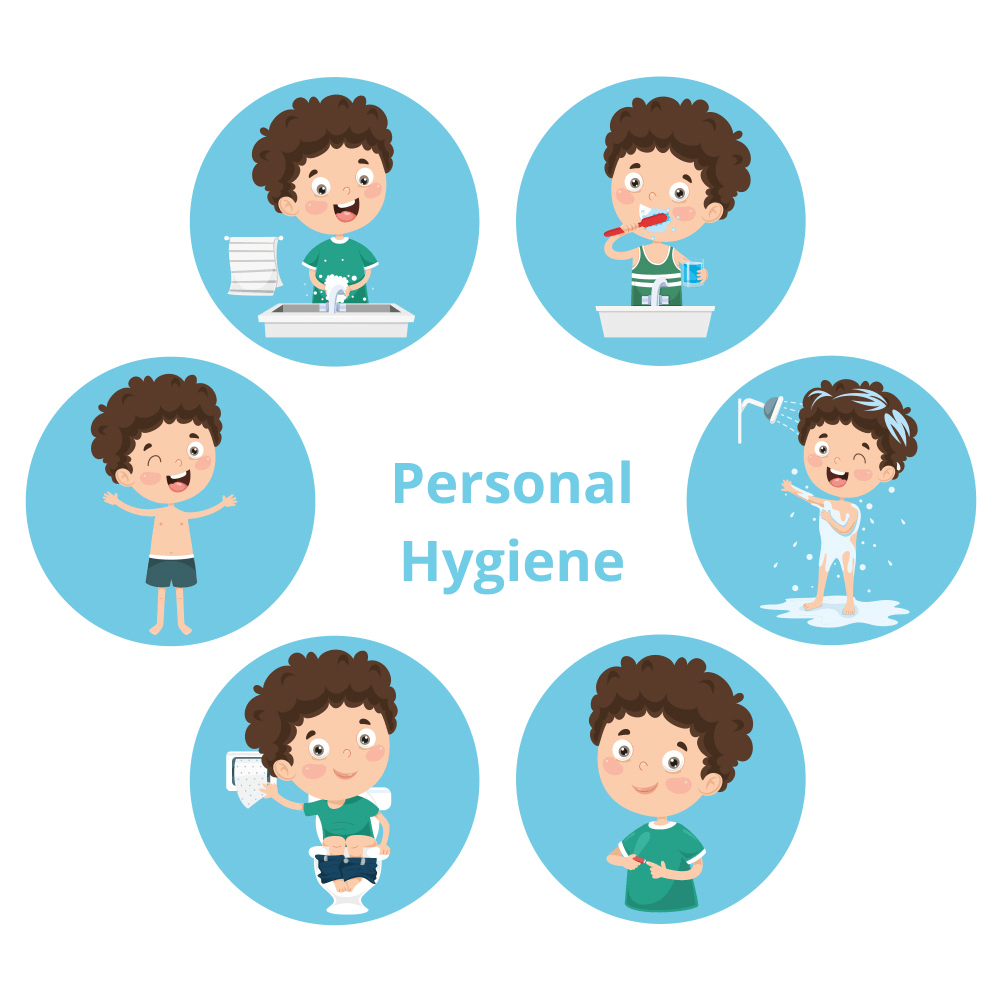
Personal Hygiene Tips for Kids
Teaching children the importance of personal hygiene is not an easy undertaking, and it often feel unappreciated. We all know that many youngsters enjoy running around and getting filthy, but did you realize that the attitudes and behaviors they develop today are likely to stick with them as they grow up? As your children get older, their personal hygiene habits can have an impact on their health, with lower standards increasing their risk of disease. With this in mind, we’ve compiled a list of our best personal hygiene suggestions for children to assist you ensure they get a good start in life.
Handwashing
Handwashing is most effective when practiced as a child. Your child’s hands come into regular touch with hazardous bacteria and diseases, but their immune system is still maturing. Handwashing should be encouraged especially after touching something dirty, using the restroom, and before eating.
Bathing
Baths or showers on a frequent basis are essential for children and adults alike, especially after dirty activities or exercise. However, if bath time in your home is difficult, there is no need to panic. Why not make it a fun activity by using waterproof toys or brightly colored sponges and flannels?
Hair Care
Younger children may dislike washing their hair, but the good news is that most youngsters only need to do it twice or three times per week. However, hormonal changes during puberty may necessitate increasing this frequency to at least every other day.
Teeth
Oral hygiene is another area where it’s ideal to begin early. Brushing and flossing should be a regular part of your child’s morning and night routines so that they can continue to do so later on. The positive behaviors they acquire today lessen their likelihood of developing bad breath and cavities, and may even lower their risk of heart disease. Since it takes a full two minutes for your child to brush their teeth thoroughly, setting a timer will help them to know when to start and stop.
Hygiene for teens
When your child reaches puberty, their body begins to create more sweat and body odor, and their skin and hair become oilier. This means that teenagers will need to adjust their personal hygiene routines properly. They may need to bathe, shower, and wash their hair more frequently, as well as apply an antiperspirant or deodorant to prevent body odor. Acne is a common skin disease at this age, but washing with gentle soap and water or using an over-the-counter treatment will help alleviate the symptoms. Remember that your teen’s overall cleanliness is vital for their health and self-esteem.