







 Finance
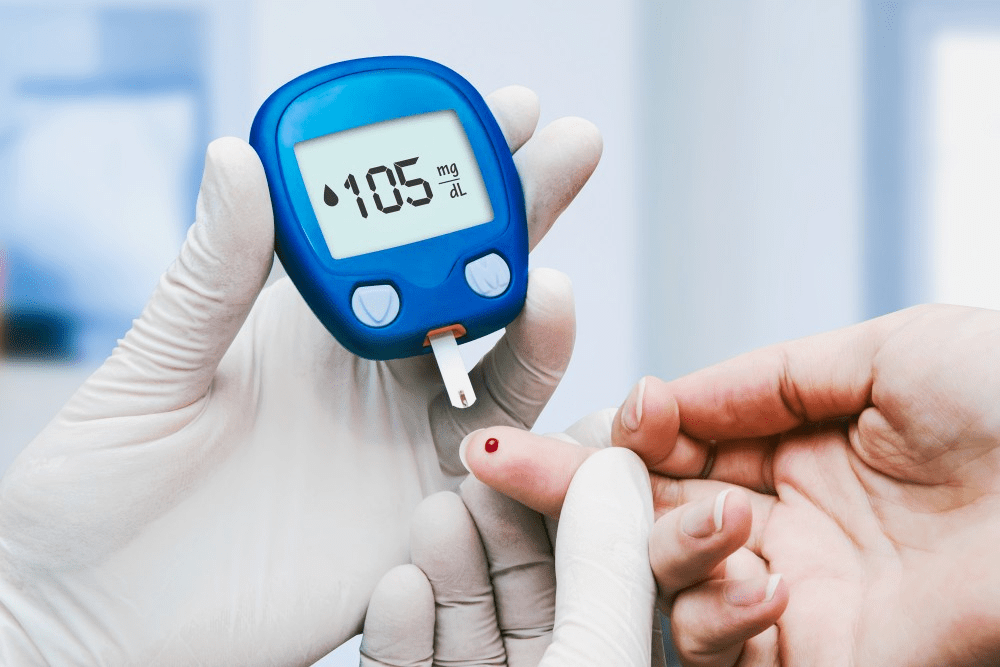
Maintaining good blood sugar levels is an important element of being healthy, whether you have diabetes or not. Keeping your blood sugar under control can help you avoid numerous harmful symptoms and life-threatening illnesses, as well as giving your body the energy to complete daily tasks [1]. Even minor lifestyle modifications, when implemented consistently, can have a significant impact on blood sugar management and general health. In this blog post, we’ll go over some of the most significant lifestyle adjustments you can do to manage your blood sugar and live a healthier lifestyle!
Why Blood Sugar Spikes Matter
Blood sugar provides energy to your body throughout the day, so your body works hard to maintain a healthy amount [2]. When blood sugar levels rise owing to excessive sugar consumption, your heart has to work harder to pump blood throughout your body. This might cause short-term problems such as fatigue, impaired vision, frequent urination, increased thirst, and more. It may also increase the long-term risk of prediabetes, type 2 diabetes, and heart disease.
These dangers can be reduced by visiting your doctor straight soon and adopting healthy habits for managing high blood sugar.
Simple Daily Habits to Keep Blood Sugar Stable
Start the Day with a Protein-Rich Breakfast
Many people believe that eating less can alleviate the symptoms of elevated blood sugar and diabetes. This may cause individuals to cut their breakfast intake or skip it entirely. Although limiting your intake of specific meals will help your blood sugar, skipping breakfast entirely can actually raise your blood sugar. Similarly, starting the day with too many carbs, such as bagels and cereal, might result in surges. Incorporating protein-rich foods into your breakfast is the most effective approach to avoid blood sugar increases and stay full until lunchtime. Protein-rich breakfast options include eggs, Greek yogurt, cottage cheese, almonds, and nut butter.
Drink Water First (and Often)
Water provides numerous health benefits, including blood sugar regulation. When you have high blood sugar or diabetes, your kidneys work harder to remove excess glucose from your body, resulting in more frequent urination. This, in turn, causes dehydration. Dehydration can induce blood sugar rises, therefore it’s extremely vital for diabetics to drink enough of water. While warning indications of dehydration include dark yellow or orange urine, dizziness or lightheadedness, dry mouth or lips, headaches, and nausea, keep in mind that these are typically late indicators. Drinking water on a regular basis is essential for avoiding dehydration rather than waiting for symptoms to occur.
To improve on your hydration, make a habit of drinking water as soon as you wake up, before each meal, and throughout the day (especially if you are feeling thirsty or exhibiting warning signs).
Move Your Body Regularly – Even in Small Bursts
Exercise is also important for people who have high blood sugar levels. Moving your body stimulates insulin sensitivity in your cells, allowing you to reduce your blood sugar more quickly. Staying active, whether through a rigorous exercise plan or simply going for a walk after meals, can help control blood sugar levels. Ask your doctor about the workouts you should do to manage your illness and stay healthy.
Stick to Consistent Meal Times
People with diabetes should adhere to a consistent eating schedule for breakfast, lunch, supper, and snacks. Erratic eating habits, such as skipping meals, can exacerbate the symptoms of high blood sugar. The sort of diet that works best for you is determined by your healthcare professional, but many diabetics follow a Mediterranean, low-fat, low-carb, or Dietary Approaches to Stop Hypertension (DASH).
Manage Stress with Mini-Mindfulness
Many people are startled to learn how much stress affects diabetes and blood sugar levels. When you are stressed, your body releases a hormone called cortisol, which causes stored glucose to enter your bloodstream. This raises blood sugar and makes it difficult to control. Depending on your unique circumstances, totally eliminating stressors may be difficult or impractical. However, there are minor activities you can do to help regulate and eventually reduce your stress levels, such as mindfulness, deep breathing, and meditation. Try these stress-relieving hobbies and find what works best for you!
Prioritize Sleep (and a Consistent Sleep Schedule)
Not getting enough quality sleep each night can have a significant impact on your blood sugar levels, increasing the risk of insulin resistance. Unfortunately, many people with high blood sugar struggle to sleep for a variety of reasons. Diabetes symptoms, such as frequent urination and headaches, can make it difficult to fall and stay asleep. To improve your sleep quality, consider avoiding bright lights and screens before bed, switching to a more comfortable mattress, utilizing fans to circulate the air, or using other sleep aids.
A Few Small Changes Can Make a Big Difference
Understanding the warning symptoms of high blood sugar and the activities you can take to prevent and control it will significantly benefit your wellness journey. Remember, there may be some bumps on the road along the way, which is fine. When it comes to dealing with high blood sugar, consistency is more crucial than perfection. And at Greater Good Health, we are here to help you every step of the journey.