







 Finance
With temperatures soaring to dangerous levels, protecting oneself from a heatwave has become crucial.
India is noted for its diverse climate and frequent extreme weather events, such as scorching heat waves. According to the India Meteorological Department (IMD), the summer season in certain locations can be cruel, with temperatures exceeding 45 degrees Celsius. Staying safe under these extreme conditions is crucial for avoiding heat-related illnesses and maintaining overall health.
This post contains some important suggestions and tactics to keep you safe during a heat wave. But first, let us understand why heat waves are dangerous.
Why are Heat Waves Dangerous?
What is a Heat Wave? It is a long period of extremely hot weather, usually accompanied with heavy humidity. These conditions are potentially fatal, particularly for vulnerable people. Heat waves can cause exhaustion, increased mortality, heatstroke, dehydration, and respiratory problems.
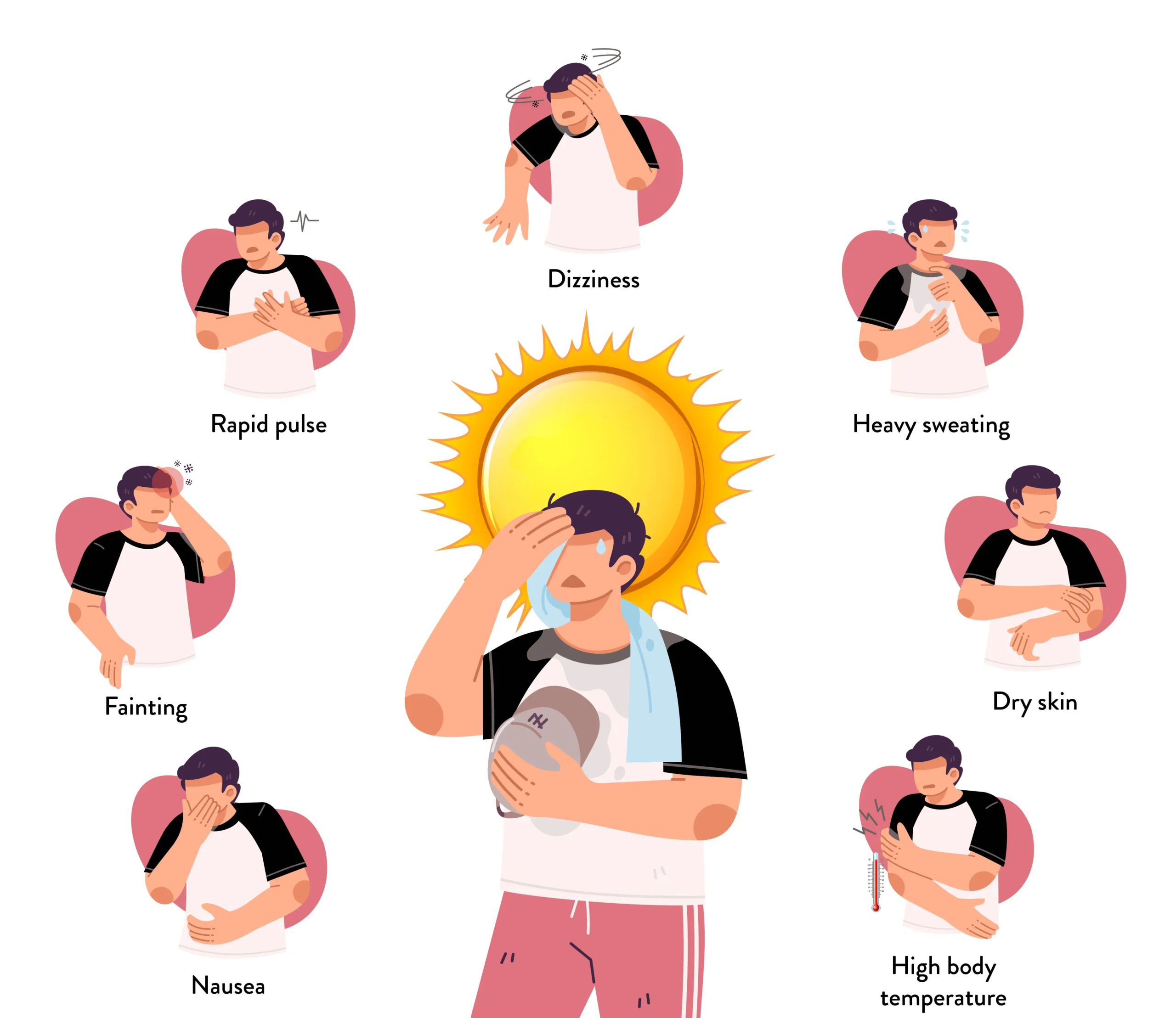
Some of the common symptoms of these conditions are:
- Heavy sweating
- Weakness
- Dizziness
- Nausea
- Fainting
- High body temperature
- Altered mental state (confusion, agitation, slurred speech)
- Rapid pulse
- Dry skin
How to Prepare for a Heat Wave in India?
During heat wave temperatures, preparation becomes the key to staying safe. Here are some steps to take before the temperatures rise:
- Keep an eye on weather forecasts and stay informed about heat alerts issued by the Indian Meteorological Department (IMD).
- Ensure you carry a water bottle and stock up a little before leaving your home also carry an umbrella, if necessary.
- Use shades, curtains, and reflective materials to keep your home cool. Consider investing in air conditioners or coolers.
- If you are planning for outdoor activities go for cooler parts of the day, such as early morning or late evening.
- Check on Vulnerable Individuals like kids and elderly people with chronic illnesses and make sure they have access to cool environments.
Tips for Staying Safe During a Heat Wave
To stay safe during these heat waves these few guidelines can help you:
- Stay Hydrated: Drink plenty of water throughout the day, even if you don’t feel thirsty. Avoid alcohol and caffeine, as they can dehydrate you.
- Wear Appropriate Clothing: Opt for lightweight, loose-fitting, and light-coloured clothes. Hats and sunglasses can protect you from direct sunlight.
- Stay Indoors: Remain inside during the hottest parts of the day (10 AM to 4 PM). If you must go outside, seek shade and take frequent breaks.
- Use Cooling Devices: Use fans, air conditioners, or coolers to normalise and maintain a comfortable indoor temperature.
- Eat Light Food: Consume light, easy-to-digest meals. Avoid heavy, hot, and fried foods.
- Avoid Strenuous Activities: Postpone intense physical activities during the noon hours. You can plan these activities in the early morning or late evening.
- Take Cool Showers: Regularly take cool showers or baths to lower your body temperature.
- Create a Cool Environment: Use wet towels, cold packs, or even a damp cloth to cool down. You can also keep a small spray bottle in your bag filled with water for a quick face misting.
Special Considerations During Heat Wave for Vulnerable Groups
Certain age groups are more vulnerable to the effects of intense heat and high temperatures. Keeping in mind that some places are on red alert due to heat waves, it is vital to consider the following groups:
- Elderly Individuals: People above 60 years are more prone to heat-related problems. To help them by checking on them regularly and ensuring they stay hydrated and in cool environments.
- Infants and Young Children: Babies and younger kids are not capable of adjusting to such extreme temperatures. Therefore, keeping them out of the sun becomes really important. Ensure they drink enough fluids, and dress them in Light colours and loose clothing.
- People with Chronic Illnesses: Those with heart disease, diabetes, or respiratory conditions need to take extra precautions during heat waves. Ensure they have proper medication supplies and follow their doctor’s advice to stay safe.
- Outdoor Workers: Working outdoors in high heatwave temperatures can be challenging because of exhaustion and constant sweating. You can ensure they stay in shaded areas, take frequent breaks, and have plenty of water.
Dos & Don’ts in Soaring Heat Wave Temperatures
Staying cool is vital for avoiding heat-related ailments. Here are some do’s and don’ts to follow, as well as practical cooling strategies, to keep yourself cool.
Do’s
- Use Fans and Air Conditioners to ensure that you are in a well-ventilated and cooled place
- Whenever you are going for outdoor activities, seek shade and avoid direct sunlight.
- Seek immediate medical help if you feel dizzy, high fever, exhaustion, or rapid breathing.
- Ensure you wear loose clothing to prevent heat rashes and overheating.
- Keep your child well-hydrated. Infants under 6 months should be exclusively breastfed, and breastfeeding mothers should drink plenty of water. Children 6 months and older should drink water regularly throughout the day
Don’ts
- Do not give infants medication for overheating without consulting a doctor.
- Do not leave elderly people, infants and children in closed, unventilated spaces like cars or rooms with closed windows. They quickly become overheated and are unsafe.
- Do not let your children play outside for long periods in the heat without supervision. Ensure they rest every 30 minutes to avoid dehydration and heat-related issues.
Conclusion
Heat waves can be dangerous, but with proper preparation and precautions, you can remain safe and healthy. Keep yourself informed about weather conditions, remain hydrated, avoid strenuous activity during peak heat hours, and protect vulnerable people such as the elderly and newborns. If you suspect someone is suffering from heatstroke, take them to a cooler location, apply cool water to their skin, and call emergency services. All of the tips in this article can help you navigate the intense heat wave of Indian summers while protecting yourself and your loved ones from heat-related illnesses. Remember that staying cool is about more than simply comfort; when faced with a heat wave red alert, it is about survival. Stay safe!