





 Finance
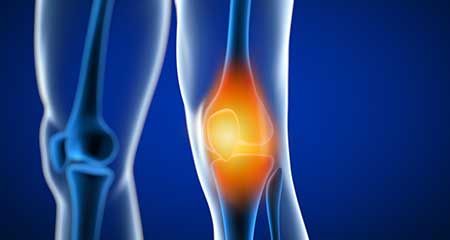
Maintaining healthy joints is particularly crucial as you become older. Joints connect the bones and allow for movement while also providing structure to the body. They help with daily activities such as walking, climbing stairs, and even simple tasks like sitting or standing. However, as you get older, your joints might wear and tear, causing a reduction in function and movement. Lubrication is a vital feature of joint health. Joint lubrication is based on synovial fluid, a viscous liquid that cushions your joints, minimizing friction and allowing for smooth movement. This fluid also nourishes and protects cartilage, which is the flexible tissue that cushions the ends of bones. However, various factors contribute to a decrease in joint lubrication with time. When this fluid thins or decreases, bones begin to rub together.
Why joint lubrication declines
Ageing is the primary cause, since the body’s production of synovial fluid declines, resulting in stiffer joints and an increased risk of joint discomfort and inflammation. Furthermore, lifestyle factors such as sedentary behavior, poor food, dehydration, and obesity can worsen these problems, causing additional degradation of joint function.
Consequences of declined lubrication
Reduced lubrication can cause joint pain, edema, and stiffness, making daily activities more challenging. Over time, this can lead to diminished mobility, loss of independence, and a lower quality of life. Furthermore, poor lubrication increases the likelihood of developing osteoarthritis, a degenerative joint disease that affects millions of people worldwide.
Tips to keep joints lubricated
Fortunately, there are several effective ways for keeping joints lubricated and healthy as you age. Here are some useful tips:
1. Stay active
Engaging in regular physical activity promotes joint lubrication. Activities such as walking, swimming, and cycling help stimulate the production of synovial fluid. Aim for at least 150 minutes of moderate aerobic exercise each week, coupled with strength training exercises twice a week to support muscle strength around the joints.
2. Maintain a healthy weight
Excess body weight puts additional stress on weight-bearing joints, such as the knees and hips. Losing even a small amount of weight can significantly reduce this pressure, helping to maintain healthy joint function. A balanced diet that supports weight management is crucial.
3. Stay hydrated
Synovial fluid is primarily water. Staying consistently hydrated ensures the body has the necessary resources to maintain fluid volume within the joint capsule.
4. Incorporate omega-3 fatty acids
Omega-3 fatty acids, found in fatty fish such as salmon, walnuts, and flaxseeds, are known for their anti-inflammatory properties. These healthy fats can help reduce joint inflammation and promote better lubrication. Consider incorporating these foods into your diet regularly or discussing the option of supplements with your healthcare provider.
5. Warm up properly
Before engaging in any physical activity, it’s crucial to warm up your joints and muscles. Gentle stretching and aerobic warm-ups can increase blood flow and prepare your joints for movement, enhancing lubrication.
6. Practice good posture
Maintaining proper posture can minimise undue stress on your joints. Whether sitting, standing, or lifting, being mindful of your body’s alignment can help protect your joints from wear and tear.
To summarize, prioritising joint health as you age is critical for maintaining mobility and quality of life. Keep your joints healthy by being active, eating a well-balanced diet, and paying attention to hydration and joint care.
(Disclaimer: The article’s advice and recommendations are meant primarily as general information and should not be interpreted as expert medical advice. Before beginning any exercise program or making any dietary changes, always get advice from your doctor or a dietitian.)