






 Finance
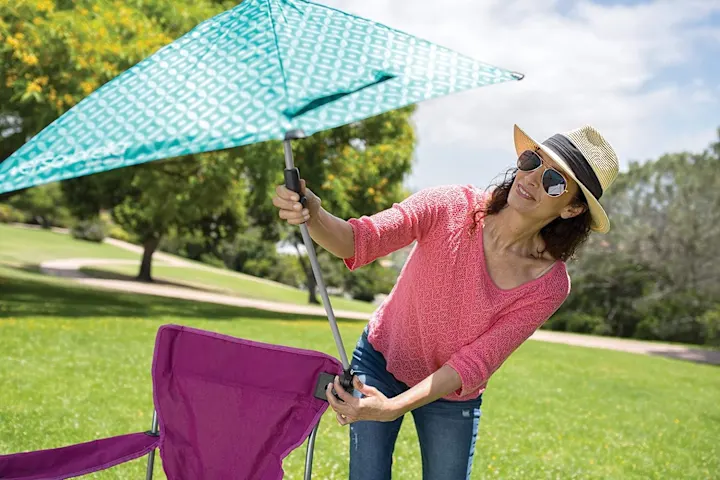
India is currently dealing with extreme summer heat and extremely high ultraviolet (UV) radiation levels, which raise severe public health concerns. Dermatologists are warning of increased risk of skin and eye damage. What makes this more alarming is that UV radiation is invisible and sometimes underestimated. Even on days that appear controllable, the UV Index can remain high enough to inflict long-term damage. UV radiation, according to worldwide health authorities, is a significant cause of skin damage, premature aging, and even skin cancer if protection is poor.
In such circumstances, people frequently rely on common protection items such as umbrellas and sunglasses. But which one genuinely provides more relief on hot summer days? The answer is not straightforward. Umbrellas give physical shade and reduce heat exposure, whereas sunglasses shield the eyes from harmful UV rays, addressing distinct aspects of sun damage.
Understanding how each works and their limitations is critical for keeping safe in India’s increasingly severe summers.
Why Summer Protection Matters More Than Ever
The UV Index is an important indication of how powerful sun radiation is. A number greater than 11 is deemed “extreme,” which means exposed skin and eyes can be injured in minutes. With climate change causing more frequent heatwaves and longer summers in India, experts emphasize the importance of multilayer sun protection rather than relying on a single remedy.
Umbrellas: Effective For Shade And Heat Relief
Umbrellas are one of the simplest and most accessible forms of sun protection, and they do more than just block sunlight.
- A study published in JAMA Dermatology found that handheld umbrellas can significantly reduce UV exposure, with measurable drops in radiation levels under the canopy.
- Dark-coloured umbrellas can block a large proportion of UV rays
- They also reduce direct heat exposure, making them effective for comfort
- Wider umbrellas provide better coverage
However, umbrellas are not foolproof:
- They do not block reflected UV radiation from the ground or surroundings
- Protection is partial, not complete
- Areas like the face sides and lower body may still be exposed
The World Health Organization (WHO) notes that shade alone, whether from trees or umbrellas, does not provide complete UV protection due to scattered radiation.
Sunglasses: Critical For Eye Protection
While umbrellas protect the skin and minimize heat, sunglasses serve a very specific and important purpose: to protect the eyes. UV rays can harm fragile eye structures, raising the risk of:
- Cataracts
- Photokeratitis (sunburn of the eye)
- Long-term vision problems
WHO recommends wearing wraparound sunglasses with 100% UV protection (UV400) to reduce eye damage from sun exposure.
Strengths of Sunglasses
- Directly block UV rays entering the eyes
- Reduce glare and improve visual comfort
- Essential during peak sunlight hours
- Limitations
- Do not protect the skin
- Coverage depends on design (non-wraparound styles leave gaps)
Which One Is Better?
This isn’t an either-or debate, because they solve different problems.
- Umbrellas are better for heat relief and overall comfort
- Sunglasses are essential for eye safety
If forced to pick, sunglasses are more medically important because eye injury can be quiet and permanent. However, depending solely on sunglasses ignores the risks to the skin and general heat stress.
What Experts Recommend: Layered Protection
Health authorities, including the World Health Organization, recommend combining multiple strategies:
- Seek shade (umbrella, trees, structures)
- Wear UV-protective sunglasses
- Use sunscreen (SPF 30+)
- Wear protective clothing and hats
This tiered technique protects against both direct and indirect UV exposure, which umbrellas alone cannot completely block. Sun protection is no longer optional given India’s growing summer circumstances, which include heatwaves and extremely high UV Index values. Umbrellas and sunglasses each serve essential but diverse purposes.
Umbrellas keep you cool and prevent direct sunlight exposure, making them excellent for daytime commutes and outdoor activities. Sunglasses, on the other hand, are vital for preventing long-term UV damage to your eyes. The true takeaway? You should not pick between them. The safest technique is to use both, together with sunscreen and protective clothes, to form a complete defence against the intense Indian sun.
Disclaimer: This content, including advice, is intended to provide general information only. It is not a substitute for a professional medical opinion. For more information, always contact with a specialist or your own doctor.