







 Finance
What is it?
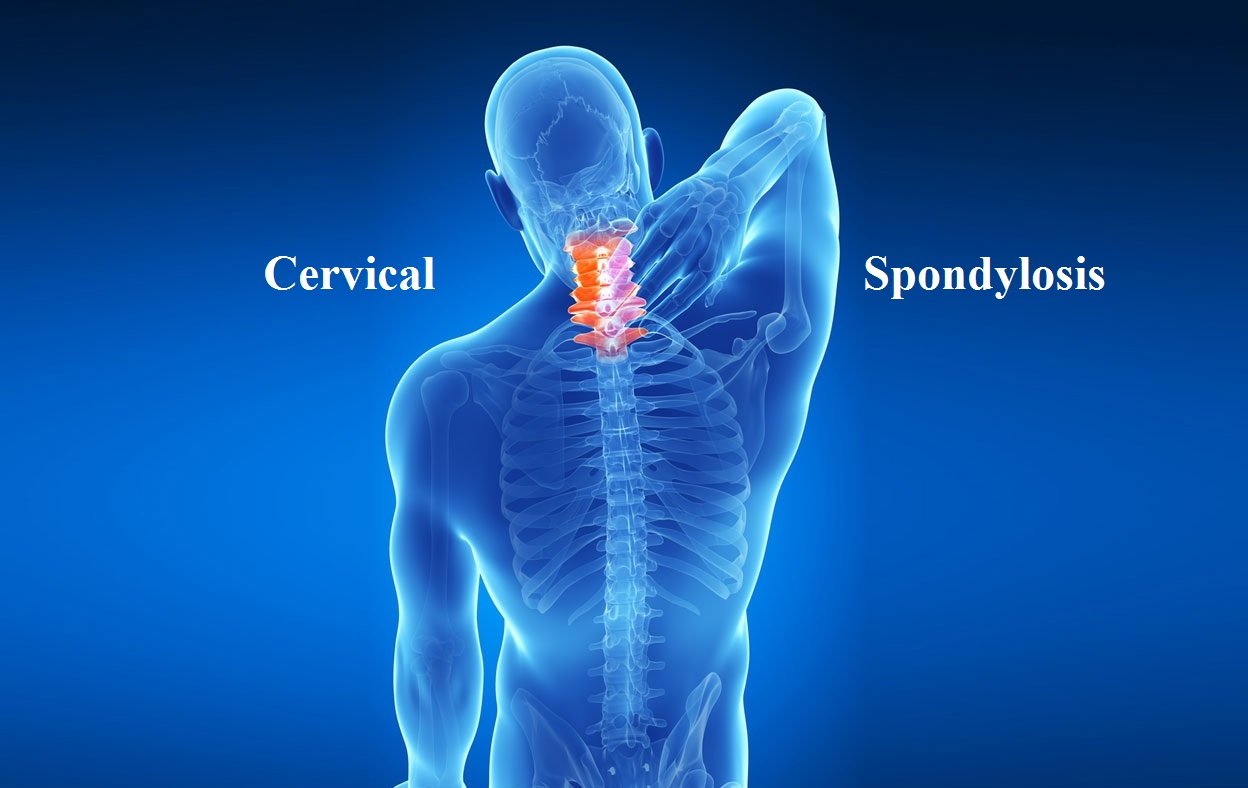
Spondylosis is a condition characterized by the degeneration of discs, which are soft cushions found between vertebrae. The vertebrae rub together, putting pressure on the nerves. As the illness worsens, the bones may shift out of their normal placements, resulting in discomfort and incapacity.
What are the causes?
Osteoarthritis is a disorder characterized by joint wear and tear that occurs as people age. Joint inflammation. Auto accidents, athletic injuries, unexpected arm jerks, and falls are all examples of injuries.
What are the symptoms?
Neck pain. Loss of feeling in the shoulders and arms. The arms are weak. Difficulty moving the head and neck stiffness, which may worsen gradually. Headaches. Lack of control over the bladder or bowel. Loss of balance. Ear noise or buzzing. Muscle weakness in the shoulders, arms or hands.
How is the diagnosis made?
X-rays of the neck or MRI scans may be used to detect anomalies that indicate cervical spondylosis. A CT scan or spinal MRI confirms the diagnosis. A myelogram (X-ray or CT scan after dye injection into the spinal column) may be indicated to accurately identify nerve compression.
What is the treatment?
The goal of treatment is to alleviate pain while preventing permanent spinal cord injury. Specific head movements may produce pain and discomfort, which can be treated with medicines. Exercises for strengthening the neck muscles may be prescribed. A cervical collar can be used to limit neck movement and relieve pain. In some cases, neck traction may also be suggested in addition to the cervical collar. Surgical decompression of the spinal cord in the neck may be required in severe cases if there is loss of movement, sensation or function.