







 Finance
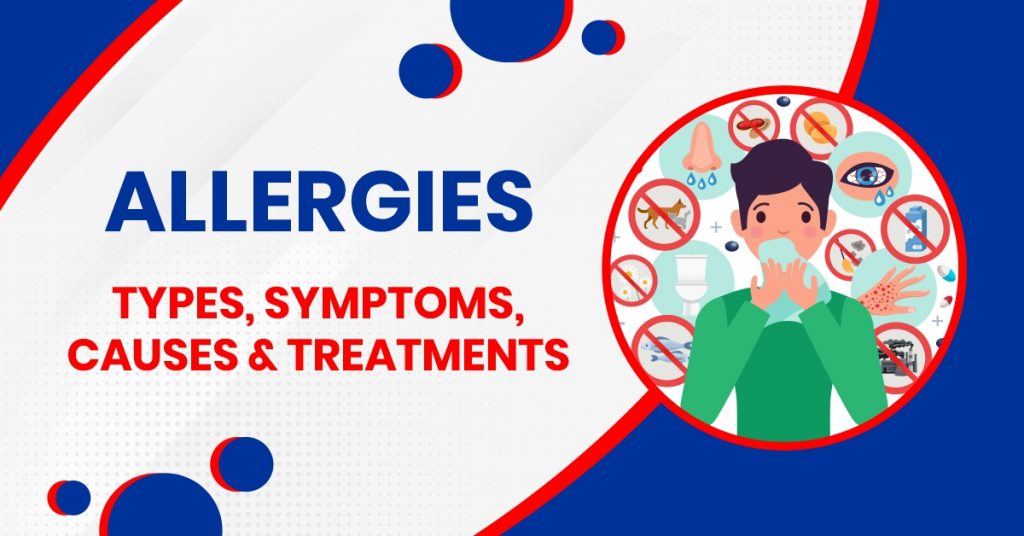
What Are Allergies?
Your immune system’s reactivity to foreign chemicals is what causes allergies. When you come into contact with, breathe in, or consume an allergen, your body perceives it as dangerous and attempts to eliminate it. Minor responses including sneezing, sniffling, and itching may result with this. However, allergic reactions can occasionally result in low blood pressure (anaphylaxis) and potentially fatal airway edema.
Almost anything can cause an allergy, including food, drugs, animals, and pollen. Some folks have allergies that are just bothersome. Others must drastically change their lives in order to prevent reactions.
Types of allergies
Some common allergies include:
- Bee stings and other insect stings and bites
- Dust mites
- Foods
- Medications
- Molds
- Pets and other animals
- Poison ivy rashes and other contact dermatitis reactions
- Pollen (seasonal allergies)
The way you are exposed to an allergy frequently determines the symptoms. For example, you may develop an itchy rash if you come into contact with something to which you are allergic. When you inhale pollen or pet dander, you typically experience a runny nose or sneeze. Bee stings and food and medication allergies are more likely to result in severe reactions, such as vomiting and swelling of the airways.
How long can allergies last?
As long as you are exposed to the allergen, your allergies will persist. Some begin minutes after exposure, while others take hours or days to manifest. After a few hours of being away from allergens, your symptoms ought to subside. Poison ivy rashes are one example of an allergy that can last for several weeks.
What causes allergies?
Allergies occur when your immune system misinterprets foreign proteins, such as those found in food, drugs, pollen, pet dander, or other substances, as dangerous (as if they were germs or viruses). When you inhale, consume, or come into contact with an allergen, your body’s defense mechanisms are triggered, and the allergen is eliminated. Your symptoms, which can occasionally be fatal, are brought on by this.
It usually takes multiple exposures to a drug for you to respond to it. When you are initially exposed to something, your body perceives it as alien and develops antibodies against it (sensitization). The antibodies are activated the following time you come into contact with the same material. This causes your symptoms by signaling your immune system to launch an assault.
Management and Treatment
How are allergies treated?
The easiest way to control allergies is to stay away from items you’re allergic to. This is particularly true if anaphylaxis is a possible consequence of your allergies.
However, avoiding some common allergens might be challenging. Your doctor may advise you to have some treatments on a regular basis or to take certain medications every day. These can lessen the likelihood of a reaction or your symptoms. Depending on your sensitivities, you may have the following options:
- Antihistamines like fexofenadine (Allegra®), loratadine (Claritin®) or cetirizine (Zyrtec®)
- Steroid nasal spray (Flonase® or Nasacort®)
- Leukotriene modifiers like montelukast
- Omalizumab (Xolair®) injections for food allergies or hives
- Allergy immunotherapy, like allergy shots, sublingual immunotherapy (SLIT) or oral immunotherapy (OIT)
Symptoms and Causes
Symptoms of allergies
Allergies can cause a range of symptoms, including:
- Skin rash or hives
- Itchy skin
- Sneezing
- Stuffy or runny nose
- Cough
- Wheezing
- Itchy, watery eyes
- Swelling of your face, lips, tongue or throat
- Difficulty breathing or swallowing
- Vomiting or diarrhea
- Low blood pressure