




 Finance
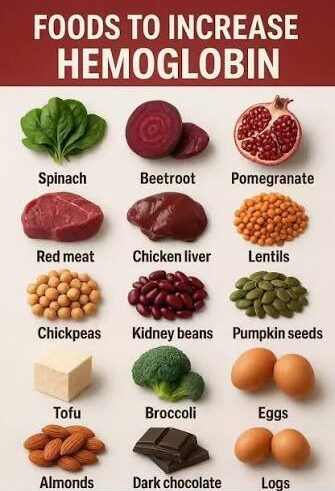
Low hemoglobin levels can affect how you feel on a daily basis, but many people do not recognize the symptoms at first. Hemoglobin helps red blood cells transport oxygen from the lungs to other regions of the body. When its level drops, certain people may experience fatigue, hair loss, pale complexion, or problems concentrating.
According to nutritionist, iron is essential for hemoglobin production, but the body also requires vitamins B12 and folate to produce healthy red blood cells. Along with monitoring your health and following medical recommendations, your food can give essential nutrients.
Nutritionist has shared a list of seven Indian foods rich in iron, some of which contain more iron than spinach.
According to her, garden cress seeds, commonly known as halim, are high in plant-based iron, providing 5 mg per teaspoon. Moringa or drumstick leaves contain iron and Vitamin C, which assist the body absorb iron. Black sesame seeds, also known as til, contain iron and copper, which are utilized to support the synthesis of red blood cells.
Bajra roti, derived from pearl millet, is another excellent source of iron. Masoor dal contains iron and folate. It is crucial for the production of healthy red blood cells.
If you wish to incorporate these items into your everyday meals, nutritionist has provided an easy method.
Halim seeds can be steeped in lemon water overnight, and one teaspoon is recommended. Moringa leaves or powder can be added to ordinary dal. You may also add one teaspoon of toasted black sesame seeds to roti or paratha.
Try making bajra roti instead of wheat roti. Masoor dal can be eaten with lemon juice to assist the body absorb iron. Rajgira and amaranth can be used to make morning porridge, laddoos, and rotis. Finally, kala chana can be consumed in the morning as sprouts or boiled chaat.
(Disclaimer: The article’s advice and recommendations are meant primarily as general information and should not be interpreted as expert medical advice. Before beginning any exercise program or making any dietary changes, always get advice from your doctor or a dietitian.)
According to Lovneet Batra, garden cress seeds, commonly known as halim, are high in plant-based iron, providing 5 mg per teaspoon. Moringa or drumstick leaves contain iron and Vitamin C, which assist the body absorb iron. Black sesame seeds, also known as til, contain iron and copper, which are utilized to support the synthesis of red blood cells.
Bajra roti, derived from pearl millet, is another excellent source of iron. Masoor dal contains iron and folate. It is crucial for the production of healthy red blood cells.