







 Finance
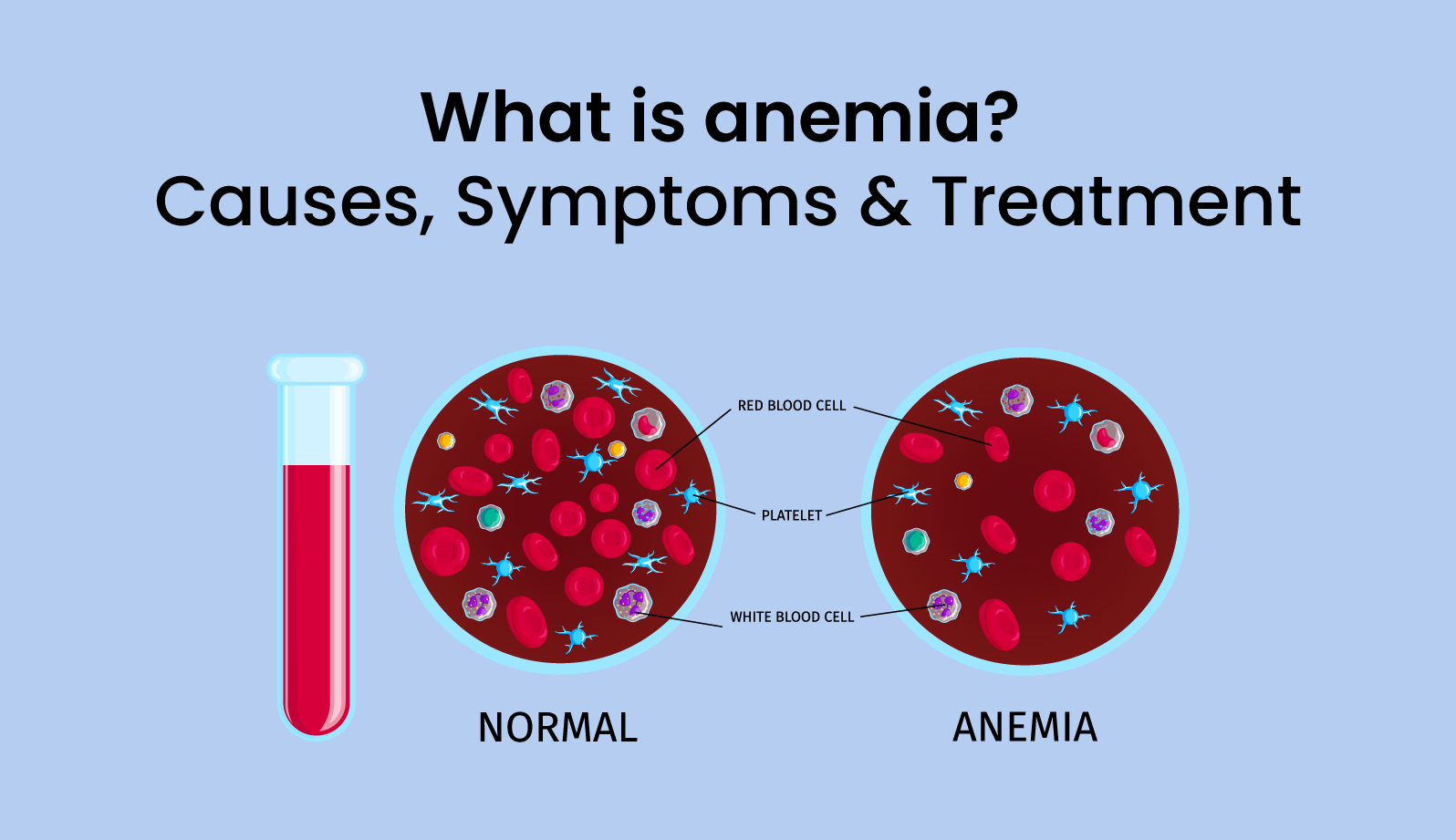
What is anaemia?
Anaemia occurs when the body does not have enough red blood cells or hemoglobin. These are crucial because they transport oxygen from your lungs throughout your body.
Anaemia is an extremely common condition with numerous probable causes. To treat anemia, it is critical to identify the underlying cause.
What are the different types of anaemia?
There are many different types of anaemia, including:
- iron deficiency anaemia — when you don’t have enough iron to produce enough red blood cells
- aplastic anaemia — when your bone marrow stops working normally and doesn’t produce enough red blood cells
- haemolytic anaemia — when red blood cells die or are destroyed too soon
- anaemia of chronic disease — when health conditions, such as chronic kidney disease or diabetes, lead to anaemia
What are the symptoms of anaemia?
If you have anaemia, you may not have any symptoms at all, or you may experience:
- fatigue or weakness
- a fast heartbeat or palpitations
- dizziness, light-headedness or headaches
- shortness of breath
- pale skin
- cold feet or hands
- chest pain
You may have other symptoms too, depending on the cause of your anaemia.
What causes anaemia?
Anaemia can be classified into several categories, each with its own set of reasons.
Anaemia is usually caused by iron deficiency. The body need iron to generate red blood cells. Iron insufficiency can occur because of:
- not eating enough foods that are rich in iron
- health conditions that affect how much iron you can absorb from food — such as coeliac disease
- blood loss — for example, from heavy periods or health conditions that cause bleeding in the stomach or bowel, such as inflammatory bowel disease (IBD) or stomach ulcers
- pregnancy — when your body needs more iron
Other causes of anaemia include:
- a lack of vitamin B12 or folate
- inherited conditions — such as thalassaemia, which affects the way your body makes haemoglobin
- some medicines
- viral infections
- chronic health conditions — such as chronic kidney disease, diabetes, liver disease or hypothyroidism
- cancer
How is anaemia treated?
If you have iron deficiency anaemia, you’ll need to take iron supplements. Typically, this entails taking iron supplements for several months. It’s a good idea to take them alongside vitamin C because it helps you absorb the iron better. Keep in mind that iron pills might cause constipation and dark stools.
In some situations, your doctor may prescribe administering an iron infusion directly into a vein.
If you have low amounts of vitamin B12 or folic acid, your doctor may recommend a supplement.
Other treatments are determined by the underlying cause of your anemia. Once your doctor has diagnosed anemia, they will discuss treatment options with you.
Can anaemia be prevented?
Not all types of anaemia are preventable.
Here’s how you can reduce your risk of some types of anaemia:
- Maintain a healthy diet that includes iron-rich foods.
- Include foods in your diet that are rich in vitamin B12 — this is especially important if you follow a vegan or vegetarian diet.
- See your doctor regularly if you have a chronic health condition.
- Have regular blood tests if you have had gastric sleeve surgery (which affects how you absorb nutrients from food).