






 Finance
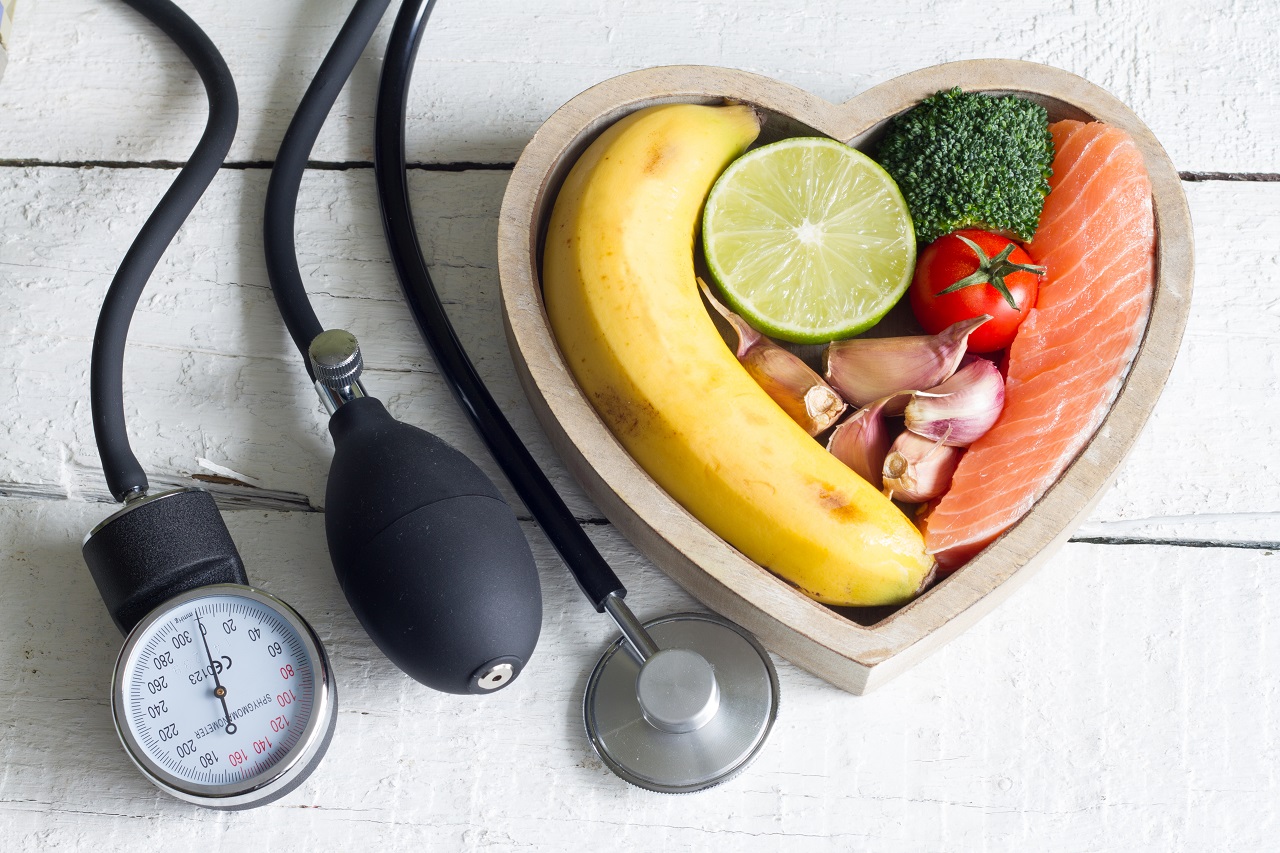
High blood pressure, often known as hypertension, is a common health problem that can result in serious problems if not treated effectively. While medicine is frequently required, nutrition plays an important part in blood pressure management. Certain vegetables high in potassium, magnesium, and nitrates have been shown to naturally reduce blood pressure. Including these vegetables in your daily diet can supplement your treatment strategy and improve overall heart health. Let’s look at some of the greatest veggies to incorporate into your diet for naturally treating high blood pressure.
Role of vegetables in lowering blood pressure
Vegetables are an important part of a heart-healthy diet because they contain several critical elements and are low in salt. They help to control blood pressure by relaxing blood vessels, regulating electrolytes, and lowering inflammation. Many vegetables are high in potassium, which balances the effects of sodium, and nitrates, which enhance blood flow.
Best vegetables to lower blood pressure
A diet rich in potassium, magnesium, and nitrates is essential for cardiovascular health and can complement medication or lifestyle changes.
1. Spinach
Spinach is packed with potassium, magnesium, and calcium—three minerals essential for maintaining healthy blood pressure. Its high nitrate content also promotes better blood circulation by relaxing and dilating blood vessels.
2. Beetroot
Beetroot is a natural source of nitrates, which the body converts into nitric oxide to help lower blood pressure. Studies suggest drinking beetroot juice can have immediate effects on reducing systolic and diastolic blood pressure.
3. Broccoli
Rich in antioxidants and potassium, broccoli is excellent for heart health. Its high fibre content and compounds like sulforaphane help reduce oxidative stress and inflammation, both linked to high blood pressure.
4. Carrots
Carrots are rich in potassium and beta-carotene, which support cardiovascular health. Raw carrots, in particular, are associated with better blood pressure control due to their high potassium-to-sodium ratio.
5. Celery
Celery contains phytochemicals called phthalides, which relax the walls of the arteries and improve blood flow. Regular consumption has been linked to reduced systolic blood pressure levels.
6. Kale
Kale is a nutrient-dense vegetable loaded with potassium and magnesium. Its low calorie and high fibre content make it a heart-healthy choice for regulating blood pressure and reducing cholesterol levels.
7. Sweet potatoes
Sweet potatoes are rich in potassium and magnesium, helping to balance sodium levels in the body. Their high fibre content also aids in maintaining healthy blood pressure by improving heart health.
8. Tomatoes
Tomatoes are a great source of potassium and lycopene, an antioxidant known for reducing the risk of hypertension. Tomato-based foods like sauces and juices can also support heart health.
9. Green beans
Green beans are low in sodium and high in potassium, making them ideal for maintaining healthy blood pressure. Their fibre and antioxidant properties further contribute to cardiovascular health.
Incorporating these vegetables into your regular diet will naturally help manage high blood pressure while also delivering numerous other health advantages. Whether you add spinach to your smoothies, roast beets, or eat a sweet potato mash, these vegetables provide tasty and heart-healthy options for lowering blood pressure and improving general well-being.
(Disclaimer: The article’s advice and recommendations are meant primarily as general information and should not be interpreted as expert medical advice. Before beginning any exercise program or making any dietary changes, always get advice from your doctor or a dietitian.)