




 Finance
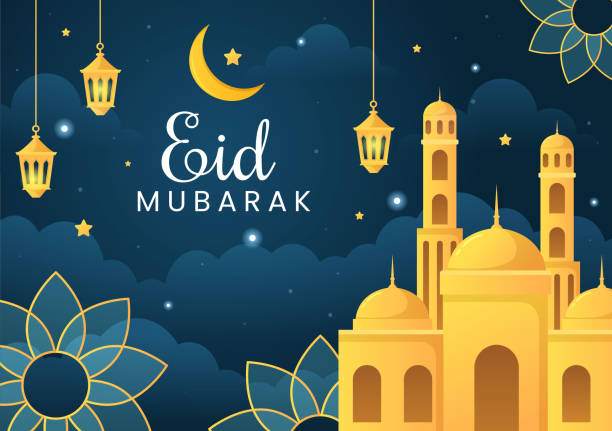
Eid is a significant celebration in India, marked by joy, piety, and a rich cultural heritage. You will have an unforgettable experience that combines spiritual meaning with colorful festivities. Eid ul Fitr is a celebration in India that commemorates the end of Ramadan and represents appreciation and unity. The spirit of Eid is charity, prayer, and eating, with members of the family gathering to exchange love and blessings. Reading about Eid history, which stretches back to the time of Prophet Muhammad and celebrates faith and persistence. If you want to discover something new, Eid in Hyderabad is a must-see! It’s unforgettable, from seeing the beautiful Charminar lit up to eating Hyderabadi biryani.
History and Significance of Eid al Fitr
Eid al Fitr is one of the most adored festivals, celebrated with great faith and excitement. Eid history stretches back to 624 AD, when Prophet Muhammad and his followers celebrated the first Eid following the Battle of Badr. The event commemorates the end of Ramadan, which is a month of fasting, introspection, and religion. Eid is about thankfulness, charity, and camaraderie, as people get together to celebrate faith, kindness, and love.
When you celebrate Eid in India, you’ll notice how religious traditions and cultural splendor are harmoniously intertwined. The day starts with special prayers in mosques, followed by Zakat (charity) donations to the underprivileged.
The family puts on new clothes, exchanges gifts, and enjoys a spectacular lunch of biryani, kebabs, and the famed seviyan.
If you wish to watch the best Eid celebrations, Eid in Hyderabad is a must-see! The city celebrates Eid with bright lights, bustling bazaars, and the aroma of delectable foods like Hyderabadi Haleem drifting through the air. Visiting places like Charminar and Laad Bazaar during Eid is a sensory delight.
Eid date
Eid is an annual event with no definite date because it follows the Islamic lunar calendar. The event commemorates the end of Ramadan and changes in date by around 11 days each year. Eid is about thankfulness, compassion, and harmony among people. It formally begins after the Maghrib prayer on the last day of Ramadan, once the moon is sighted. This is part of the Eid custom, which was first celebrated by the Prophet Muhammad and his companions.
How Eid-ul-Fitr is celebrated?
Eid-ul-Fitr often begins with Fajr, the first of five necessary daily prayers offered by Muslims throughout the year. Fajr occurs between dawn and sunrise. Muslims are then allowed to eat breakfast, unlike during Ramadan, when they must stop eating before dawn.
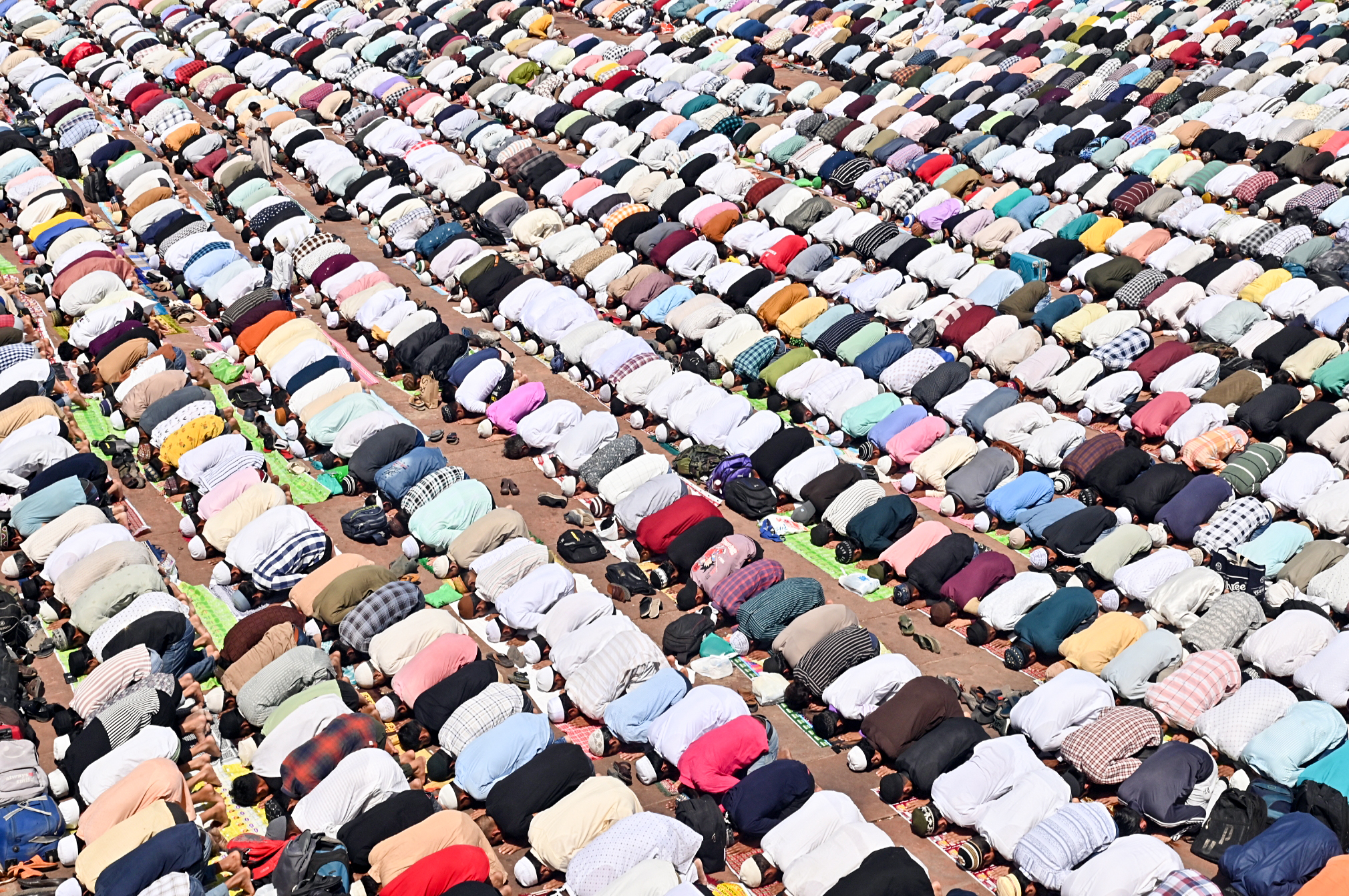
Between 7 and 10 am on the day of Eid-ul-Fitr, Muslims offer a special Eid prayer in mosques and Eidgahs (open-air designated spaces for such congregations). On the day of Eid-ul-Fitr, Muslims say a special Eid prayer in mosques and Eidgahs. They dress in new or clean clothes and eat a date or two before leaving the house for this prayer.
White is the most popular color among Muslims because it was one of the Prophet’s favorite colors. Following the prayers, Muslims are seen embracing and wishing each other a happy occasion.
Women and children also join in these special prayers, and designated areas are provided at each site. In India, Muslims traditionally prepare a sweet dish on Eid. Sewaiyan, a delicious dessert made of vermicelli and dry fruits, is typically prepared on this day.
This custom is observed in most states with a large Muslim population, with the exception of Jammu and Kashmir, where the community prefers bread products and traditional mutton and chicken dishes served with rice. Children are really happy on this day because they are expecting their Eidi (cash gift) from the elders. Following a delicious lunch, families and friends visit each other, exchanging blessings, love, and laughter.
“Wishing all a happy Eid-ul-Fitr, May this day bring you joy and happiness.”