






 Finance

Odisha, the region of vivid traditions and holy devotion, is affectionately known as the “Land of Festivals.” Each festival symbolizes the region’s strong spirituality and cultural harmony, as it celebrates practically every season, divinity, and crop. Among these, Maha Vishuba Sankranti, popularly known as Pana Sankranti, has a particular place in every Odia heart.
When is Maha Vishuba Sankranti (Pana Sankranti) Celebrated?
Maha Vishuba Sankranti / Pana Sankranti, which marks the Odia New Year, is commemorated yearly on April 14th. It corresponds to the Sun’s transition into the Aries zodiac sign (Mesha Rashi), which is considered extremely auspicious in Hindu tradition. The day represents new beginnings, agricultural rejuvenation, and divine benefits.
Historical Significance of the Festival
Pana Sankranti occurs on the first day of the Odia calendar month of Baisakha, usually in mid-April. It coincides with the sun transit into the Mesha (Aries) Rashi, hence it is also astrologically significant. The festival’s name, “Pana,” is derived from the traditional drink created from various ingredients such as jaggery, water, and fruits, which represents the start of the summer season and the need of staying hydrated.
Pana Sankranti has been commemorated for centuries, with connections to ancient scriptures and literature. It is said that on this day, Lord Vishnu, in his incarnation as Varaha (the boar), saved the Earth from the demon Hiranyaksha. This act of divine intervention is commemorated by devotees through various rituals and prayers, seeking blessings for a prosperous and harmonious year ahead.
It also commemorates the birth of Lord Hanuman, the mighty devotee of Lord Rama and a symbol of courage, devotion, and strength.
Spiritual Practices and Rituals
Devotees attend temples, pray, and do acts of gratitude and service. One of the festival’s signature traditions is the unveiling of the new Odia Panjika, a traditional almanac that contains all Hindu festivals, auspicious dates, and celestial timings for the future year.
Basundhara Theki — A Ritual of Nature and Faith
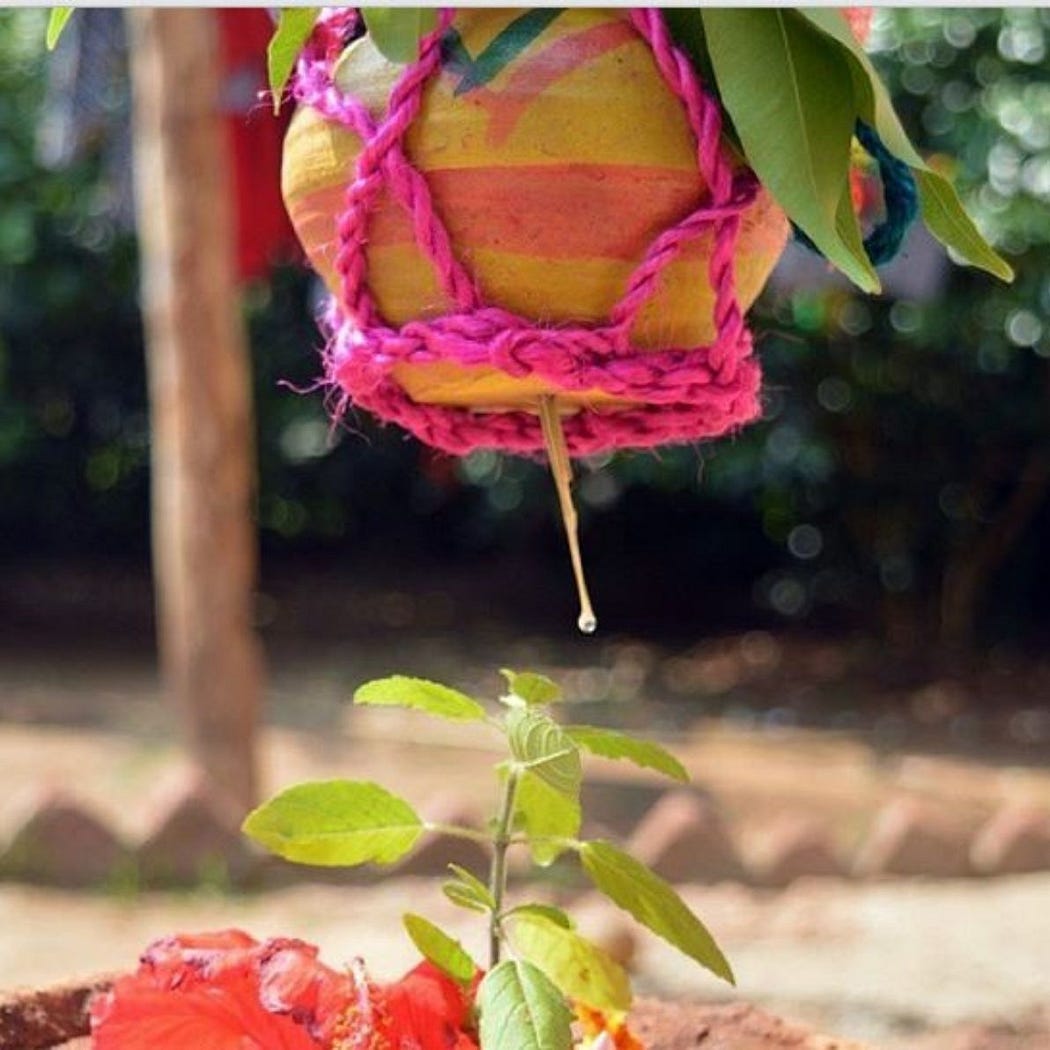
The Basundhara Theki ceremony is a beautiful celebration of Pana Sankranti.
A small earthen pot filled with water or Pana hangs above a Tulsi (holy basil) plant. A hole at the bottom lets the water to slowly drop, symbolizing rainfall and life-giving water for the planet. This act represents prayers for a cool, fertile, and blessed year.
Jhaamu Yatra — Walking Through Fire
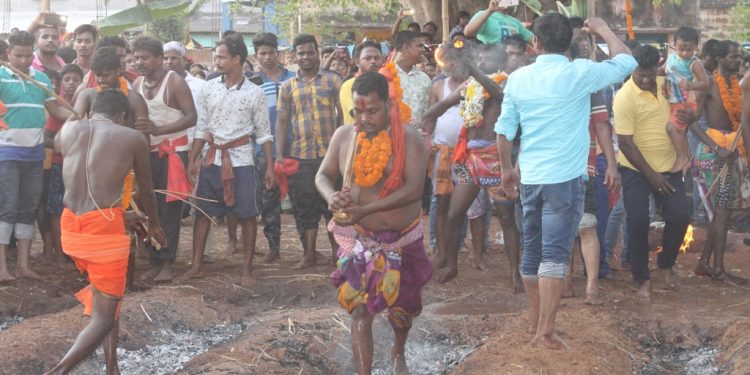
One of the most breathtaking aspects of Maha Vishuba Sankranti is the Jhaamu Yatra, which takes place at several Devi temples.
This rite involves devotees and priests walking barefoot on burning embers to demonstrate their undying faith and devotion. This ancient practice is thought to provide spiritual strength and divine blessings.
Pana Sankranti is more than just a New Year’s party; it is an opportunity for contemplation, rejuvenation, and community building. It symbolizes Odisha’s cultural diversity and spiritual depth, providing insight into the region’s ageless traditions. As families gather to prepare Pana, perform rituals, and engage in humanitarian actions, the festival generates a sense of solidarity and collective well-being, making it a beloved and integral aspect of Odia culture.
“Wishing You All a Blessed Maha Vishuba Sankranti!”