







 Finance
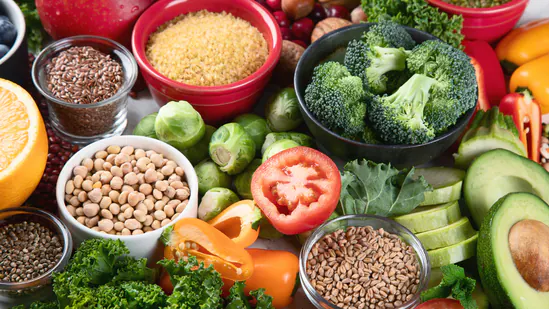
Fibre is a vital foundation of gut health that can help regulate your weight while also aiding digestion and keeping you satisfied for longer periods of time. Dr. Pal Manickam, a well-known gastroenterologist and digital designer, recently shared his top five fiber-rich meals that can help “keep the gut happy” on social media. His choices were guava, raspberries, chia seeds, full black urad dal, and roasted chickpeas.
A professional dietician helped explain why we should include these in our everyday diet:
1. Guava
Guava is high in dietary fibre, which aids digestion, promotes satiety, and prevents constipation. The fibre in guava helps regulate blood sugar levels, making it beneficial for individuals with diabetes. Fibre promotes feelings of fullness, and guava is a nutrient-dense fruit that is low in fat and high in vitamins and minerals. However, it is critical to include guava as part of a well-balanced diet and to sustain a calorie deficit to lose weight.
2. Raspberries
They are one of the highest whole food sources of dietary fibre, providing up to 6.5 grams per 100 grams. Fibre also helps alter gut bacteria, which has a positive effect on metabolism, in turn helping with weight loss.
3. Chia seeds
Chia seeds are full of fibre, which helps keep the stomach healthy. If you struggle with constipation, eating chia seeds daily can help regulate your bowel movements. However, if you don’t drink enough water, they might cause bloating. These seeds also provide a slow release of energy, keeping you active throughout the day.
4. Whole black urad dal
Urad dal, also known as black gram, is rich in dietary fibre, vitamins and minerals, especially potassium, iron and magnesium. It also helps in treating inflammation of joints and muscle pain, strengthens the nervous system and improves the digestive system.
5. Roasted chickpeas
Chickpeas provide plant-based protein, fibre, and essential minerals, helping regulate blood sugar and lower cholesterol, factors linked to longevity.
How much fibre should you ideally have in a day?
The recommended amount of fibre varies according to age, gender, and calorie intake. However, Sushma suggested that individuals consume 25-30 grams of fiber each day. This quantity promotes wellness without overpowering your digestive system. According to her, surpassing this recommendation can result in unfavorable side effects.
While excessive fibre can cause discomfort, getting it right offers a wealth of health benefits. Here are some key reasons to include fibre in your diet:
- Fibre is essential for a healthy digestive system. It regulates bowel movements, preventing constipation and promoting regularity.
- Fibre helps manage blood sugar levels by slowing down the absorption of sugar into the bloodstream, preventing those unwanted spikes and crashes.
- A high-fibre diet can lower LDL (“bad”) cholesterol levels, reducing the risk of heart disease.
- Studies suggest a link between a high-fibre diet and a decreased risk of certain cancers, particularly colorectal cancer.
- Fibre contributes to a feeling of fullness and satiety, helping you curb unhealthy calorie intake and manage weight.
Doctor emphasised the importance of hydration alongside a high-fibre diet. “Insufficient fluid intake can exacerbate these symptoms and potentially lead to bowel obstruction in severe cases,” she said, adding that in order to support optimal digestion and well-being, ensure you drink plenty of fluids when increasing your fibre intake.
(Disclaimer: The article’s advice and recommendations are meant primarily as general information and should not be interpreted as expert medical advice. Before beginning any exercise program or making any dietary changes, always get advice from your doctor or a dietitian.)