



 Finance
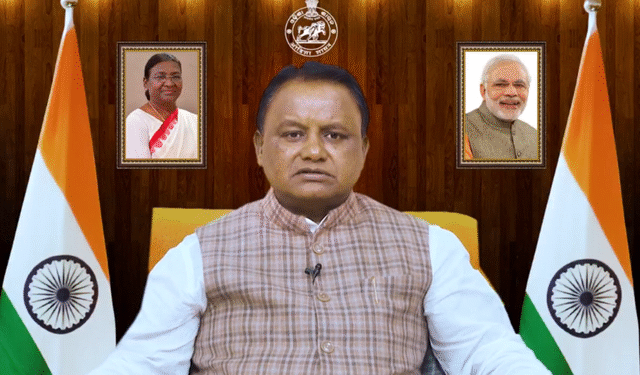
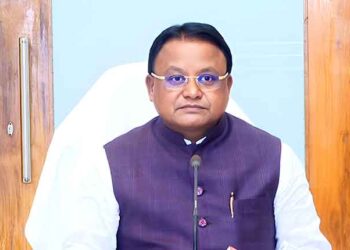
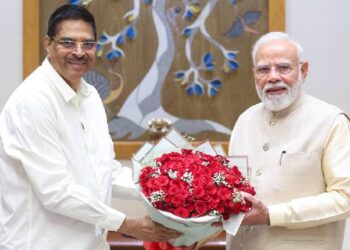
Union Finance Minister Nirmala Sitharaman presented the Union Budget for 2026-27 on Sunday, which Odisha Chief Minister Mohan Charan Majhi praised as a “Youth Power Budget” that focuses on skill development, infrastructure, and inclusive growth in all sectors.
During a press conference in Subarnapur, CM Majhi stated that the budget prioritizes clear execution above ambiguity and places a specific emphasis on young development.
“This budget will enhance the skills of young people, boost their confidence, and prepare them for global-level competitiveness,” he said, calling it a transformative plan for India’s youth.
Highlighting the Modi government’s economic track record, the Chief Minister noted that 350 structural reforms have been implemented during its tenure, marking a significant chapter in independent India’s economic history.
“These reforms have accelerated India’s journey toward becoming a self-reliant and developed nation,” he added.
For 2026–27, the Union Budget allocates Rs 12.2 lakh crore for public capital expenditure (CAPEX), with increased focus on infrastructure development. Odisha will benefit from several initiatives, including:
- Rare-Earth Corridor: Boosting mining, processing, research, and production of rare minerals to reduce import dependence and promote local industries.
- Eastern Coastal Development Corridor: Development of five tourism destinations across eastern states, supported by 4,000 e-buses for public transport.
- National Waterways Expansion: 20 new national waterways, including NW-5 connecting Odisha’s Talcher and Angul regions to ports like Paradip and Dhamra.
- City Economic Regions (CERs): Rs 5,000 crore for urban economic growth and infrastructure, including the Bhubaneswar–Kolkata–Paradeep–Puri corridor.
- Wildlife Tourism & Environmental Protection: Development of “Turtle Trails” in Odisha, Karnataka, and Kerala.
- MGNREGA Restructured: Now the VB-G RAM G Scheme, guaranteeing 125 days of rural employment per household with Rs 95,692 crore allocation.
- Agricultural Initiatives for Coastal States: Focus on high-value crops like coconut, cashew, and sandalwood to improve farmer income and productivity.
- National Critical Minerals Mission (NCMM): Rs 34,300 crore over seven years for securing critical minerals like lithium and supporting electronics manufacturing.
Major Allocations:
- Jal Jeevan Mission: Rs 67,670 crore
- Samagra Shiksha: Rs 42,100 crore
- PMAY Rural & Urban: Rs 73,542 crore combined
- National Health Mission: Rs 31,820 crore
- PM-Kisan: Rs 63,500 crore
New Initiatives:
- VB-G RAM G Scheme: Rs 95,692 crore
- PM Setu: Rs 6,141 crore
- Electronics Manufacturing Scheme: Rs 40,000 crore over five years
- BioPharma Sector: Rs 10,000 crore over five years
CM Majhi expressed optimism that the budget provisions would contribute to a flourishing Odisha and a developed India. He stated that the state government will prioritise 16 major industrial sectors, including textile units in high cotton-producing districts such as Balangir, Kalahandi, and Subarnapur, as well as industries where there is promise.
“This is, from every perspective, a historic budget,” the Chief Minister said, emphasising that the focus on youth, skill development, and infrastructure will position Odisha for accelerated growth in the coming years.