






 Finance
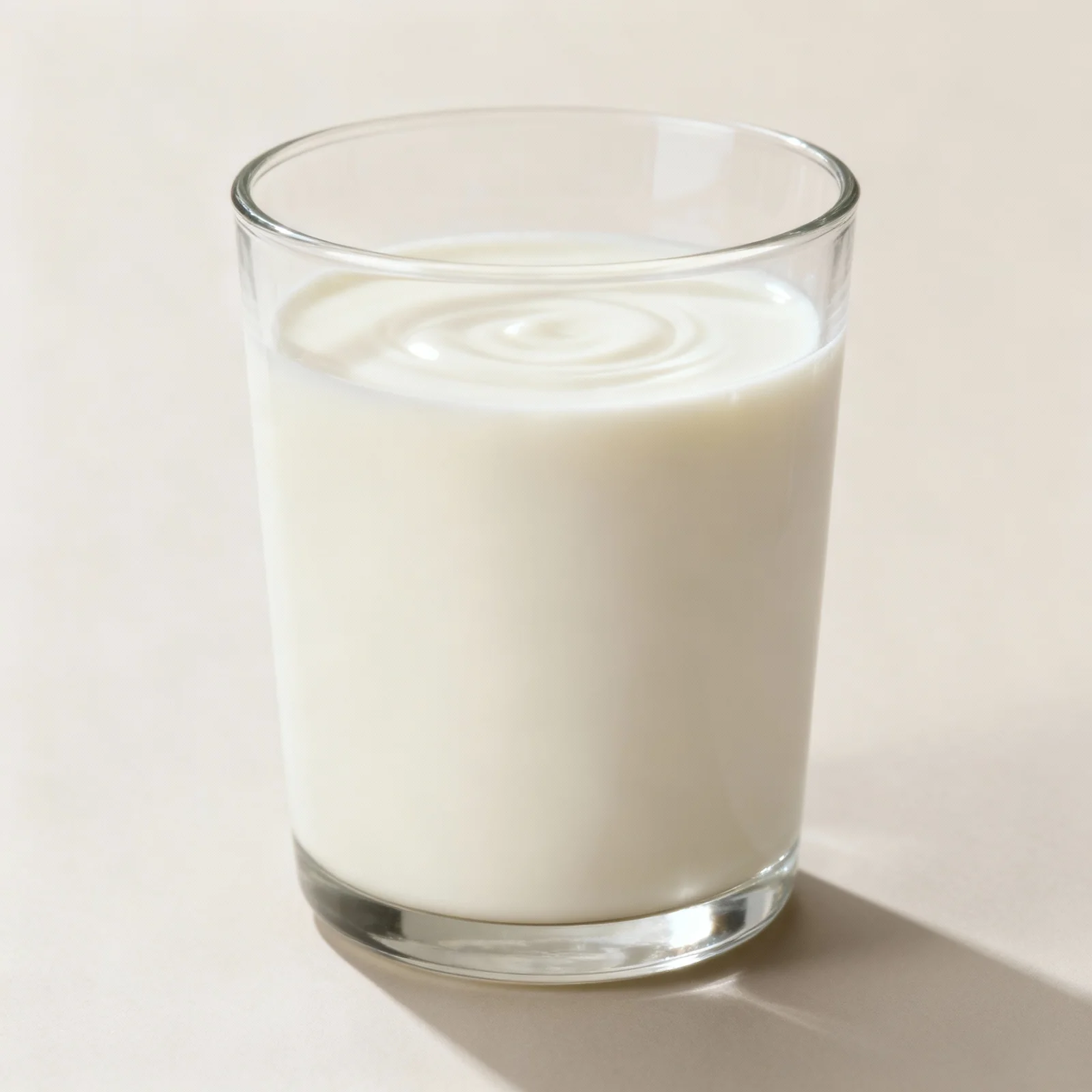
Milk has long been regarded as a complete food. It is a staple in Indian households due to its high calcium, protein, and necessary vitamin content.
From morning tea and cereal to bedtime turmeric milk, many individuals drink milk without considering what they’re matching it with. However, according to nutrition experts and Ayurveda, not all food combinations go well with milk.
Certain meals, when consumed with milk, may influence digestion, causing acidity, bloating, indigestion, skin problems, or discomfort.
While not every combination is harmful to everyone, some combinations can be difficult for the stomach to process, particularly for those with sensitive digestion, lactose intolerance, or gut-related problems.
According to Ayurveda, milk is a delicate food that should not be paired with sour, salty, or protein-rich substances. According to modern nutrition experts, while scientific proof varies for some claims, many people report stomach difficulties after eating certain milk-containing foods.
Here are eight foods that experts recommend avoiding when consuming milk.
1. CITRUS FRUITS
Oranges, lemons, sweet lime, and other citrus fruits are highly acidic. When combined with milk, the acid can cause the milk to curdle in the stomach. This may lead to acidity, bloating, heaviness, or indigestion in some people.
Experts suggest keeping a gap of at least one to two hours between consuming milk and citrus fruits.
2. FISH
Fish and milk is one of the most commonly discussed food combinations in Ayurveda. While there is limited scientific proof that the combination is toxic, Ayurveda believes the two foods have opposite effects on the body and may disturb digestion.
Some people may experience stomach discomfort, allergies, or digestive uneasiness after combining the two.
3. BANANAS
Banana milkshakes are popular, but some health experts and Ayurvedic practitioners advise against consuming bananas with milk regularly. The combination may feel heavy on the stomach and slow down digestion.
For some people, it can lead to bloating, congestion, or a feeling of lethargy.
4. SPICY FOODS
Consuming very spicy meals along with milk may irritate the digestive system. While milk is often used to reduce the burning sensation caused by spicy food, combining both can sometimes cause acidity or stomach discomfort.
People with acid reflux or sensitive stomachs may feel worse after the combination.
5. SOUR FOODS AND CURD
Sour foods like pickles, tamarind, vinegar-based dishes, or curd should ideally not be taken together with milk. Since both digest differently, the combination may increase the chances of gas, acidity, or indigestion.
Experts often recommend avoiding milk immediately after eating curd or fermented foods.
6. SALTED SNACKS
Salty foods and milk are considered an unsuitable combination in Ayurveda. Chips, namkeen, salted biscuits, or heavily salted meals with milk may affect digestion and water balance in the body.
Some experts believe excessive salt can also interfere with calcium absorption over time.
7. MELONS
Watermelon and muskmelon are generally advised to be eaten alone because they digest quickly. Combining them with milk may slow digestion and cause fermentation in the stomach, leading to bloating or discomfort.
This is especially true during summer when digestion may already feel sluggish.
8. PROTEIN-RICH FOODS
Combining milk with very heavy protein-rich foods like meat, eggs, or beans may sometimes overload digestion. Since both milk and protein-heavy foods take time to digest, the stomach may feel heavy or uncomfortable.
People with weak digestion may particularly notice bloating or gas after such meals.
SHOULD EVERYONE AVOID THESE COMBINATIONS?
Not necessarily. Everyone reacts differently to food. Some people may not have any problems with these pairings, while others may experience gastric pain. Gut health, lactose intolerance, metabolism, and portion size are all important considerations.
Experts say the key is moderation and observing how your body responds after meals.
SIMPLE TIPS WHILE DRINKING MILK
- Avoid drinking milk immediately after heavy meals
- Keep a gap between milk and sour fruits
- Drink warm milk instead of very cold milk for easier digestion
- Avoid overeating dairy products in one meal
- If you frequently feel bloated after milk, consult a doctor or nutritionist
Milk can be very nutritious when consume properly. Paying attention to food combinations may aid digestion and reduce stomach discomfort.