


 Finance
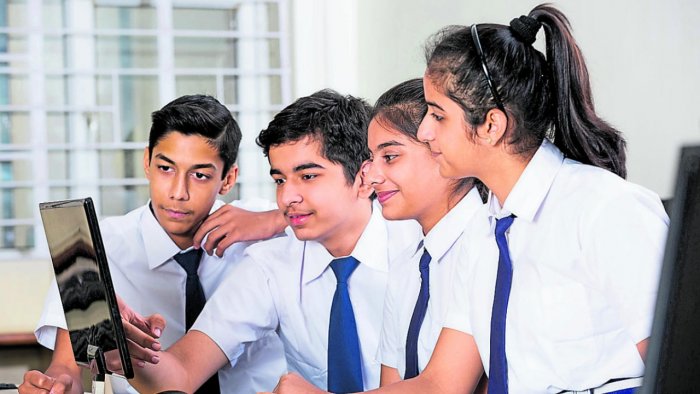
In a significant move to overhaul the reservation structure in professional education, the Odisha government is planning to introduce an 11.25% reservation for Socially and Educationally Backward Classes (SEBC). Simultaneously, the state plans to roughly increase the current reservation for Scheduled Caste (SC) and Scheduled Tribe (ST) students in medical and technical institutions beginning with the 2026-27 academic year.
Key Recommendations of the Panel:
The Policy Planning Committee of the Skill Development and Technical Education (SDTE) department, chaired by Commissioner-cum-Secretary Bhupinder Singh Poonia, recently held a meeting where several landmark recommendations were unanimously approved:
-
Introduction of SEBC Quota: A new 11.25% reservation for SEBC students will be implemented across all technical, professional, and medical courses.
-
Hike in SC/ST Reservation: The total reservation for SC and ST students in these streams is proposed to increase from the current 20% to 38.5%.
-
Uniformity Across Departments: The move is intended to align the reservation policy of the SDTE and Health departments with that of the Higher Education department, which approved a similar SEBC quota last year to align with the National Education Policy (NEP) 2020.
Breakdown of Proposed Changes
The committee has recommended specific increases to bring consistency across different disciplines:
-
Technical & Professional Courses (BTech, MBA, MCA, etc.):
-
SC Quota: Proposed increase from 8% to 16.25%.
-
ST Quota: Proposed increase from 12% to 22.5%.
-
-
Medical Streams (Medical, Dental, Pharmacy, Ayurveda, Homeopathy):
-
SC Quota: Proposed increase from 8% to 16.25%.
-
ST Quota: Proposed increase from 12% to 22.5%.
-
-
No Change for Diploma/Nursing: The reservation for Diploma engineering, PDIS, and Nursing courses will remain at their existing levels (which are already at 16.25% for SC and 22.5% for ST).
Implementation Timeline
According to MLA Santosh Khatua and BPUT Vice-Chancellor Amiya Kumar Rath, both committee members, these proposals will now be forwarded to the state government for final approval. If approved, the revised seat matrix will take effect with the 2026-27 academic year.
Admissions in Odisha are currently based on a combination of vertical reservations (SC, ST, OBC, EWS) and horizontal reservations (ex-servicemen, people with disabilities, Green Card holders, and students from government schools). This new initiative aims to address long-standing calls for SEBC representation in professional sectors, ensuring that underserved groups have equal access to in-demand technical and healthcare education.