




 Finance
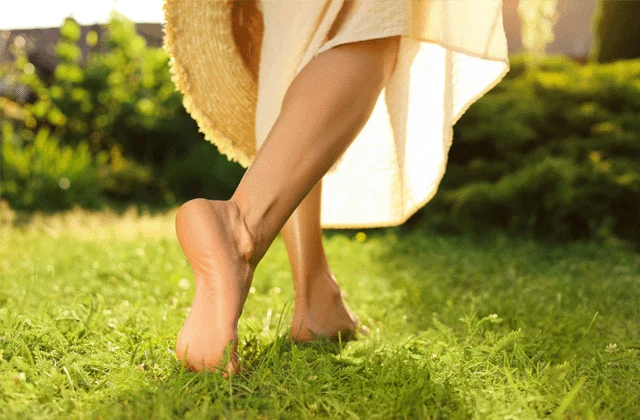
Walking barefoot, also known as earthing or grounding, can provide several health benefits that appear simple yet have a significant impact on general well-being. Modern living has restricted feet to hard structures that disrupt natural biomechanics and impair posture. Barefoot walking is more than just a health fad; it is a biologically sensible activity that restores natural movement patterns. Walking barefoot for a few minutes every day boosts your health in multiple ways, including restoring your body’s natural alignment, reactivating neglected nerve connections, and strengthening your foundational muscles.
A well-known cardiologist recently turned to Instagram to promote the health benefits of walking barefoot. “To improve your health, get your feet on the ground,” he stated in the message.
What happens when you walk barefoot?
“Walking barefoot allows the body to discharge excess electrical charges into the earth. This practice can help restore the body’s natural electrical balance by facilitating the repolarisation of cells,” Doctor mentioned.
He further explained the importance of repolarisation and said, “Repolarisation is the process through which a cell’s natural electrical charge is restored after it has been disrupted. Repolarised red blood cells may move more freely, supporting healthy circulation.”
“Walking barefoot helps you to release accumulated electrical charge through contact with the earth’s surface. It also reduces stress and promotes relaxation.”
Additionally, it “supports emotional well-being, mental clarity and a greater sense of calm, balance and restful sleep,” Doctor adds.
Benefits of walking barefoot explained
1. Improved foot strength and flexibility
When you walk barefoot, your feet make natural movements that develop your muscles, tendons, and ligaments. Walking without shoes improves foot strength and flexibility by allowing it to adapt to diverse surfaces.
2. Better posture and balance
Barefoot walking encourages more natural alignment of the body. Without shoes altering your foot’s position, your natural posture is restored, leading to improved balance and stability. This can help reduce the risk of falls and injuries, especially in older adults.
3. Enhanced proprioception
Proprioception refers to your body’s ability to detect its position in space. Walking barefoot activates nerve endings in the feet, which improves sensation and general coordination. This increased awareness can help to improve sports performance and prevent injury.
4. Increased blood circulation
Walking barefoot stimulates circulation in the feet and lower extremities. This improved blood flow can enhance overall cardiovascular health and provide a better supply of oxygen and nutrients to muscles and tissues.
5. Reduced inflammation and stress
Walking barefoot connects you to the Earth and promotes electron transfer, which reduces inflammation and improves health. Furthermore, the sense of connecting with nature and touching the earth can reduce tension and encourage relaxation.
How to get started
“Just 15-30 minutes a day can make a meaningful addition to a healthy lifestyle,” Dr. Chopra recommends.
“Walking barefoot on grass, sand, or soil is a simple way to reconnect with nature. It may help promote relaxation, reduce stress, and support overall well-being. It helps you connect with nature and stay present,” Dr. Chopra concludes.
(Disclaimer: The article’s advice and recommendations are meant primarily as general information and should not be interpreted as expert medical advice. Before beginning any exercise program or making any dietary changes, always get advice from your doctor or a dietitian.)