







 Finance
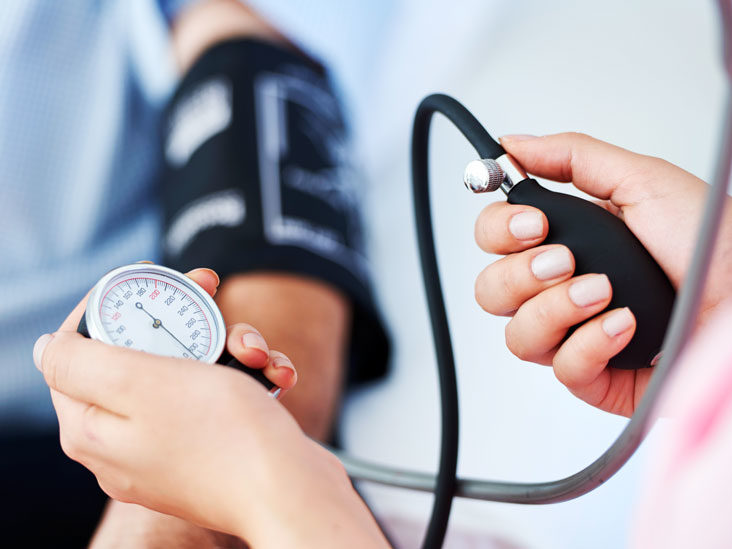
For many persons diagnosed with high blood pressure, the first and most common fear is, “Will I have to take medications for the rest of my life?”.
According to a specialist in reversing diabetes, hypertension, obesity, and PCOS without medication, the answer is not always affirmative, particularly in early-stage hypertension caused by lifestyle and metabolic conditions. “Blood pressure responds to structured lifestyle change faster than almost any other metabolic marker,” he states.
Here is the 30-day BP reset procedure he prescribes for patients.
Week 1: Start tracking and cut the real triggers
The first step is awareness. Dr advises patients to buy a digital BP monitor and measure blood pressure at least twice a week in the morning before tea or coffee. He believes many people misunderstand the main dietary trigger behind hypertension. “The real driver of high blood pressure in most patients is insulin resistance, which is driven by refined carbohydrates and sugar,” he explains.
During week one, focus on reducing:
- Biscuits
- Sugary drinks
- White bread
- Namkeen
- Fruit juices
- Sweets
- Restaurant meals high in refined flour and processed oils
At the same time, aim for a 30 to 40-minute daily walk.
Week 2: Build muscle and improve protein intake
Exercise becomes more important in week two. Doctor recommends adding resistance training three times a week, including:
- Squats
- Push-ups
- Basic dumbbell exercises
“Muscle is the body’s largest glucose sink, and improving insulin sensitivity directly lowers blood pressure,” he says. Protein intake also matters.
Doctor advises aiming for 25 to 30 grams of protein per meal through foods such as:
- Eggs
- Fish
- Chicken
- Paneer
- Soya
Week 3: Fix sleep and reduce stress
Most blood pressure advice focuses only on food and exercise. Doctor says that it is incomplete. “Aim for seven to eight hours of uninterrupted sleep,” he advises, adding that even short-term sleep deprivation can push blood pressure higher. Stress management also becomes critical during this phase. He specifically warns against excessive doom-scrolling and constant screen exposure, which can overstimulate the nervous system.
Instead, he suggests replacing some screen time with:
- Walking outdoors
- Spending time with friends or family
- Hobbies
- Mentally relaxing activities
Week 4: Reassess and build consistency
By week four, many people begin noticing visible improvement in morning BP readings. Doctor also recommends checking the waist-to-height ratio, which should ideally stay below 0.5. However, he strongly warns against stopping medicines without medical supervision. “If numbers improve meaningfully, work with your physician on adjusting medication. Do not self-discontinue,” he says.
The ultimate goal is long-term consistency. He believes that patients who approach sleep, exercise, and nutrition as non-negotiable daily practices are more likely to maintain their blood pressure improvements.
High blood pressure isn’t necessarily permanent. In many situations, especially when recognized early on, planned lifestyle adjustments can make a significant difference within weeks. However, consistency is more important than rapid remedies.
(Disclaimer: The article’s advice and recommendations are meant primarily as general information and should not be interpreted as expert medical advice. Before beginning any exercise program or making any dietary changes, always get advice from your doctor or a dietitian.)