







 Finance
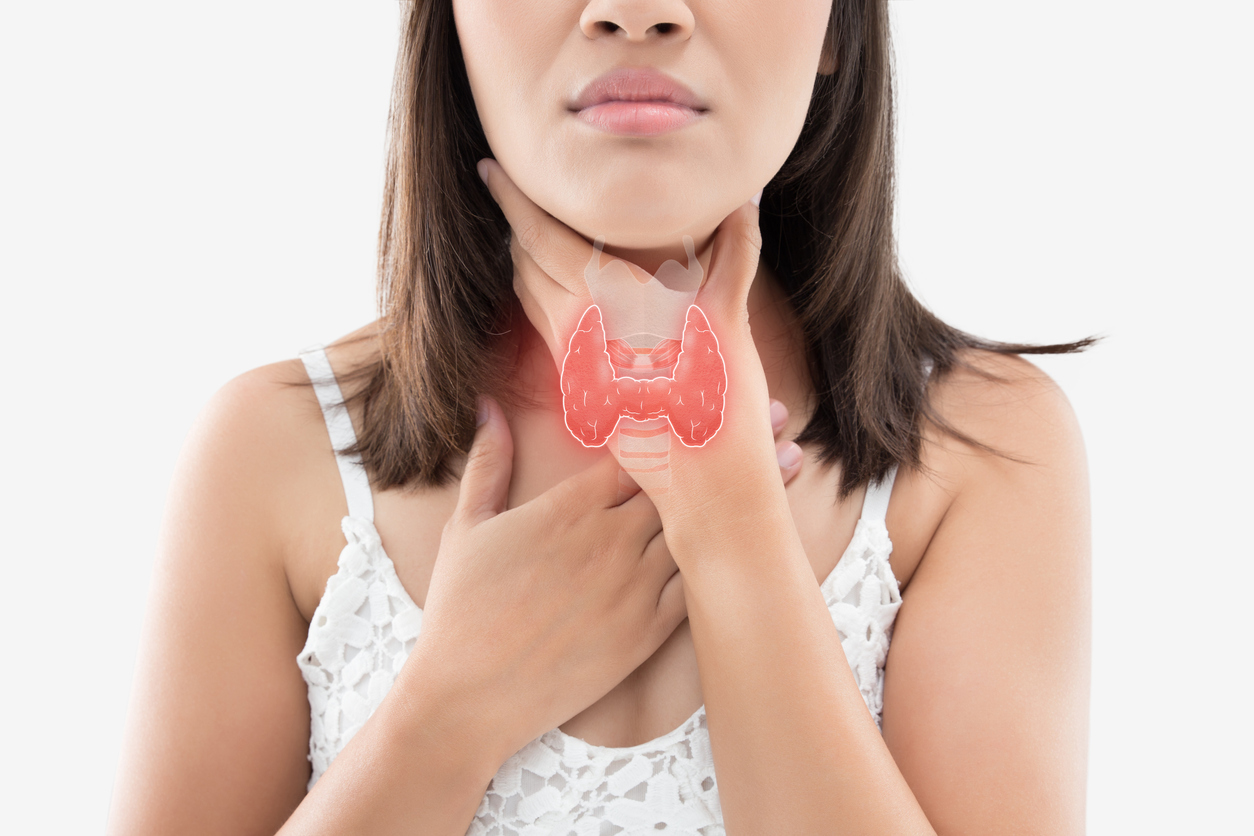
The majority of individuals identify hypothyroidism with symptoms like weariness, weight gain, and dry skin. However, according to health professionals, the illness may also have a subtle impact on heart health and blood pressure that many individuals are unaware of. According to experts, hypothyroidism and hypertension frequently coexist, making the illness more dangerous if left untreated.
The thyroid gland, located near the front of the neck, regulates metabolism, heart rate, and blood circulation. When thyroid hormones are inadequate, the body begins to slow down from inside, affecting both the heart and the blood vessels. Medical practitioners believe that this causes a rise in blood pressure.
Why hypothyroidism can affect blood pressure
Hypertension, commonly known as high blood pressure, occurs when pressure against blood vessel walls remains elevated for long periods. Over time, this may increase the risk of heart disease, stroke and kidney damage. According to the document, nearly one in three people with high blood pressure may also have an underactive thyroid.
Research also suggests that people with hypertension are nearly three times more likely to have hypothyroidism compared to those with normal blood pressure levels. As people age, this connection may become even stronger.
Low thyroid hormone levels can slow heart rate, stiffen blood vessels, and reduce blood flow flexibility, making blood pressure harder to manage.
Doctors explain the warning signs
According to Dr Manoj Chaddha, Endocrinologist at Hope & Care Clinic, Mumbai, hypothyroidism affects the cardiovascular system in multiple ways.
“Hypothyroidism affects the cardiovascular system in multiple ways, from slowing heart rate to raising blood pressure. Treating hypothyroidism not only restores thyroid hormone balance but also helps normalise blood pressure and improve overall heart health,” he explained.
Dr Kinnera Putrevu, Medical Affairs Head at Abbott India, also stressed the importance of recognising symptoms early.
“People with high blood pressure who also experience symptoms such as unexplained weight gain, constant fatigue, dry skin, hair thinning, constipation, or feeling unusually cold should talk to their doctor about getting screened for thyroid problems,” she said.
Lifestyle habits that support thyroid and heart health
According to experts, correctly controlling hypothyroidism can enhance blood pressure regulation and general heart health. Along with medicine and medical supervision, healthy lifestyle choices are critical for long-term maintenance.
Balanced nutrition, moderate exercise, stress management, adequate sleep, and routine tests can all benefit thyroid function and cardiovascular health.
(Disclaimer: The article’s advice and recommendations are meant primarily as general information and should not be interpreted as expert medical advice. Before beginning any exercise program or making any dietary changes, always get advice from your doctor or a dietitian.)