





 Finance
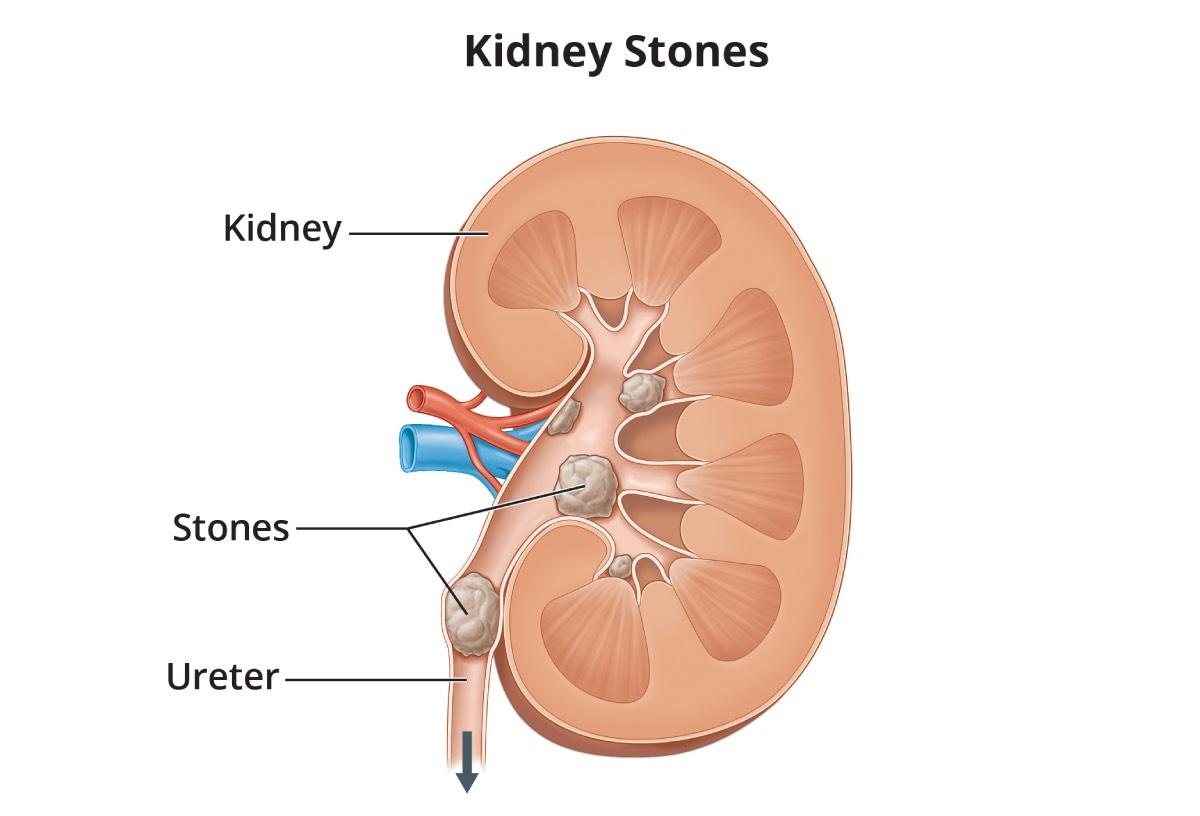
Kidney stones are very common, however they can be uncomfortable. If not treated promptly, they can result in serious problems. Here, the expert explains the causes, symptoms, and complications of kidney stones.
According to Dr Anil Bradoo, Consultant Urologist , Kidney stones are hard, pebble-like particles that form in the kidneys. Did you know? These stones are composed of minerals and salts such as calcium, oxalate, or uric acid. Small stones may go unnoticed, but larger ones can cause intense pain and major health issues if not treated promptly. Timely management is critical to managing kidney stones and alleviating the agonizing discomfort.
Causes of kidney stones
- Dehydration or low water intake
- High intake of salt, sugar, or animal protein
- Obesity
- Family history of kidney stones
Certain medical conditions, like urinary infections or gout, can be the causes of kidney stones that you should be aware of.
Symptoms of kidney stones you shouldn’t ignore
- Sharp pain in the back or side
- Pain that spreads to the lower abdomen or groin
- Pain while urinating
- Urine that is pink, red, or cloudy
- Frequent urge to urinate
- Nausea or vomiting
Don’t ignore these symptoms, and report to the doctor for prompt diagnosis and management.
Complications of kidney stones if untreated
While many kidney stones are treatable, ignoring them can lead to serious issues. The following are the complications associated with unmanaged kidney stones.
- Urinary Tract Infections (UTIs): Stones can block urine flow, inviting a urinary tract infection. You can experience symptoms such as a burning sensation during urination, foul-smelling urine, frequent urination, lower belly pain, and blood in the urine.
- Hydronephrosis: This means a blockage that may cause swelling in the kidney due to trapped urine. Furthermore, it can also lead to blood in the urine and nausea and vomiting.
- Chronic Kidney Disease (CKD): Repeated stones can damage kidney tissues over time, and you can be at greater risk of CKD.
- Bleeding and scarring: Passing large stones can damage the urinary tract and take a toll on well-being.
Treatment options for kidney stones
Small stones can pass naturally with enough water and pain medication. Large stones will require operations such as shock wave therapy (lithotripsy), ureteroscopy, or surgery, as determined by the expert. You will also be given medicine to help prevent future stone formation or dissolve specific types. Medium-sized stones may necessitate endourological procedures involving the use of lasers, such as ureteroscopy and RIRS with flexible ureterscopy. ESWL (Extracorporeal Shock Wave Lithotripsy) can cure kidney stones up to 1.5 cm in size without the need for hospitalization as a day care surgery.
Preventive measures for kidney stones
Drink lots of water every day, limit your intake of salt, consume plenty of citrus fruits such as lemon and orange, keep a healthy weight, and follow your doctor’s advise if you’ve previously had stones. So, be mindful of your kidney health and get treatment promptly.