







 Finance
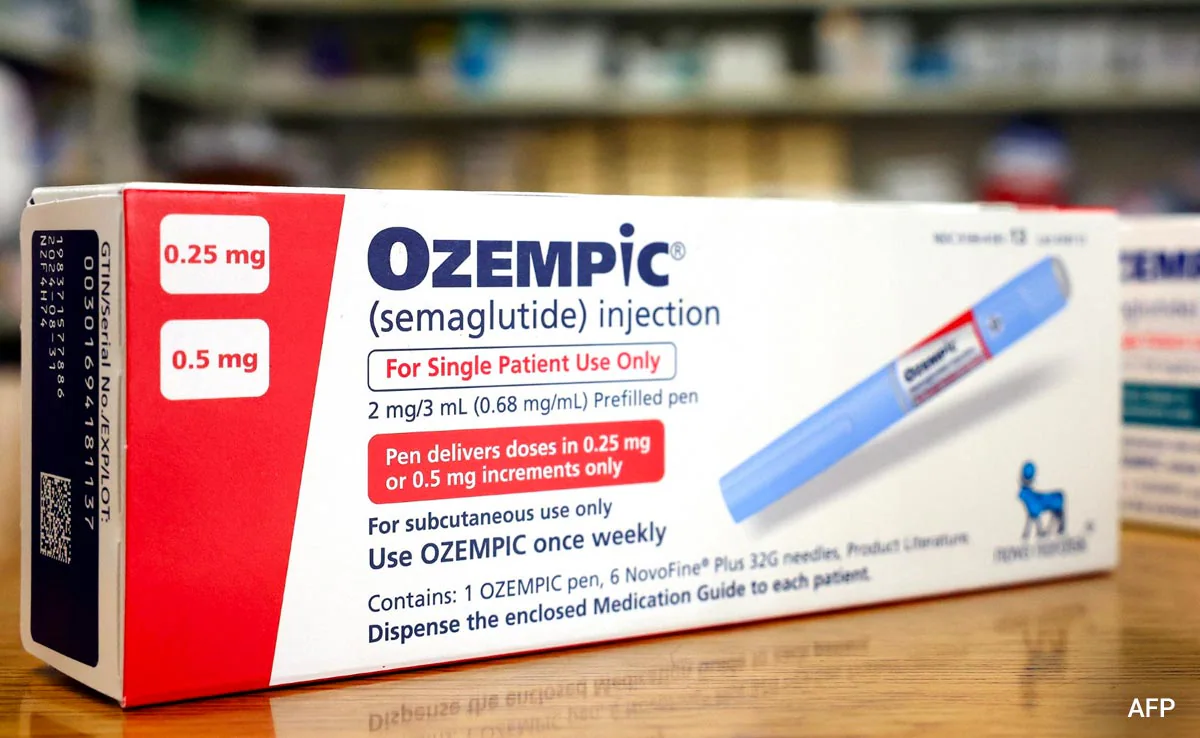
Novo Nordisk, a pharmaceutical industry powerhouse, has announced that its blockbuster diabetic drug, Ozempic (Semaglutide), has been approved for medical use in India. This move has sparked widespread interest among the medical community (physicians), diabetic patients, and those looking for global health trends.
Ozempic, an injectable medicine approved by the US Food and Drug Administration in 2017 for type 2 diabetes, mimics a natural hormone (GLP-1) that regulates blood sugar and hunger. While its current permitted usage in India is for diabetes, it is well known worldwide, especially among Indian patients, for its ability to aid in weight loss because it slows digestion and reduces appetite.
Ozempic price and dosage options in India
The drug has hit the Indian market in three weekly dosage options:
- 0.25 mg — Rs 2,200 per week (about ₹ 8,800 per month)
- 0.5 mg — about Rs 10,170 per month
- 1 mg — about Rs 11,175 per month
This pricing gives patients a baseline idea of cost. For many Indians living with diabetes, a condition that affects millions, having a locally marketed option may ease access compared with importing drugs individually or relying on alternative formulations.
How Ozempic works in the body
Ozempic belongs to a class of drugs called GLP-1 receptor agonists. Here’s how it helps patients:
- Encourages insulin release when blood sugar is high
- Delays stomach emptying, so you feel full longer
- Can reduce appetite, supporting weight management alongside other treatments
Although this type of medication has grown in popularity in many countries, including the United States, due to its calming effect and ability to help individuals lose weight, the prescription is only approved for the treatment of diabetes in India. Many Indian medical practitioners, however, are aware of the medication’s effects on body mass and can use this knowledge to assist patients.
Why Ozempic’s India launch matters
India has one of the world’s highest numbers of people with type 2 diabetes, second only to China, and obesity rates are continuously increasing. Introducing a globally recognized medicine like Ozempic to Indian patients is opportune, given the health burden and market demand for viable therapies.