






 Finance
If you have high blood pressure, you may be interested in making lifestyle changes to help lower it. A good diet and regular exercise can have a significant impact on your cardiovascular health. According to research, some drinks may help reduce the risk of cardiovascular disease by lowering blood pressure. Many of the studies listed here only examined a limited number of participants, so it’s unclear whether the conclusions apply to everyone just yet. But we thought we’d share what we learnt in case you want to make some changes to your drinking habits.
1. Skim milk
Skim milk contains potassium, calcium, and magnesium, which are proven to reduce blood pressure. Some studies have found that drinking milk every day, particularly skim milk, can help lower blood pressure over time. This is especially true for persons aged 55 and older. And the transformation can occur in as little as four weeks.
2. Tomato juice
Tomatoes include antioxidants such as lycopene, which have been demonstrated to provide a variety of health advantages. One research evaluation discovered that tomato juice reduced systolic blood pressure (the highest number). Researchers discovered that when persons aged 55 and up drank 200 mL per day (a little less than one cup), their systolic blood pressure improved over the course of a year.
3. Beet juice
Beet juice includes nitrate, which can help enhance blood flow in the body. A research trial found that drinking slightly more than two cups of beet juice once a day reduced blood pressure.
Beet juice can help lower blood pressure nearly quickly, with a decline occurring as fast as 30 minutes after drinking. And the effect can endure nearly 24 hours. Daily ingestion may have a longer-lasting effect on blood pressure reduction, although these findings are not clear.
4. Hibiscus tea
Hibiscus tea includes anthocyanin, an antioxidant. A little amount of research indicates that drinking two cups of hibiscus tea every day for at least two weeks will help decrease blood pressure.
Most studies examine the effects after 4 weeks. So, it’s difficult to say how quickly hibiscus tea can work. Some research suggests it can take effect in as little as 1.5 hours. Meanwhile, other studies saw no effect up to 4 hours after drinking it. This might be due to the variation in the amount of anthocyanins in each cup.
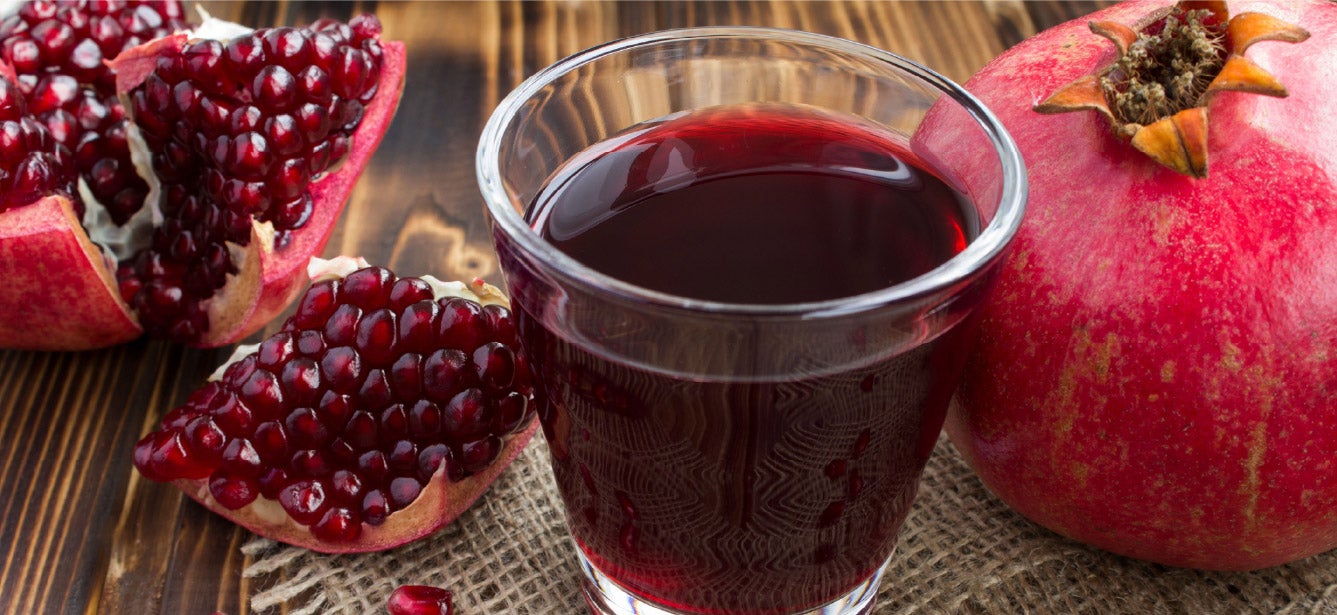
5. Pomegranate juice
Pomegranate juice, like hibiscus, contains anthocyanins. It may potentially interact with an enzyme that controls blood pressure.
Small studies found that those who drank pomegranate juice everyday for at least two weeks had lower blood pressure. It is uncertain exactly how much juice is required for this effect. However, some investigations required at least 8 oz. Despite the contradictory evidence, many researchers agree that pomegranate juice can help lower blood pressure.
6. Grapefruit juice
Does grapefruit help to decrease blood pressure? It certainly can. Grapefruit juice is an excellent after-meal or morning beverage for some people with high blood pressure. Grapefruit includes potassium, lycopene, fiber, and other natural plant compounds that help to decrease blood pressure. However, grapefruit juice has primarily been researched in combination with other juices or blood pressure-lowering drugs.
If you are taking medication, consult with your primary care physician before drinking grapefruit juice. It can interfere with certain drugs, notably those used to treat high blood pressure. We can go into greater depth about this below.
7. Green tea
People have been drinking green tea for ages, for both recreational and medicinal reasons. According to a 2023 study review, consuming green tea on a daily basis lowers both systolic and diastolic blood pressure. This study, however, only included healthy persons who did not have excessive blood pressure. More research is needed to determine how beneficial green tea can be for those with high blood pressure.
8. Black tea
Teas are the second most common drink, after water, for humans. Black tea differs from green tea in that the tea leaves have been fermented. Green tea uses fresh, dried leaves of the Camellia sinensis plant.
Black tea, like green tea, has been shown to reduce blood pressure. It’s unclear why tea might lower blood pressure. But the active chemicals in tea might:
-
Relax muscles in the blood vessels
-
Reduce hormones that raise blood pressure
-
Increase nitric oxide (which opens blood vessels)
9. Cardamom tea
Cardamom is derived from fruit and is commonly used as a spice. However, cardamom is also used to prepare tea in many civilizations. Furthermore, one tiny study discovered that cardamom tea can assist to lower blood pressure overall. Researchers also discovered that it may reduce the danger of blood clots in the body.
Which drinks should you avoid with high blood pressure?
There are also some drinks that can raise blood pressure. If you have high blood pressure, it’s best to avoid or limit your consumption of:
-
Alcohol
-
Energy drinks
-
Caffeinated drinks
-
Soft drinks
(Disclaimer: The article’s advice and recommendations are meant primarily as general information and should not be interpreted as expert medical advice. Before beginning any exercise program or making any dietary changes, always get advice from your doctor or a dietitian.)