





 Finance
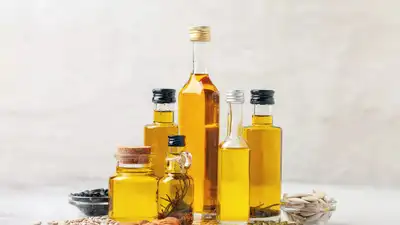
When it comes to food, India has a strong preference for oil. From aromatic tadkas to deep-fried appetizers, oil is more than simply a substance; it is an emotion. However, underlying this gastronomic mainstay lurks a serious health hazard.
According to studies, the average Indian eats roughly 13.6 kilograms of oil per year, well above the Indian Council of Medical Research’s (ICMR) recommended limit of 12 kg.
To make matters worse, nearly 80% of families re-use leftover frying oil, which produces hazardous substances linked to heart disease, diabetes, obesity, and cancer. Concerned about these mounting hazards, India’s top health organizations, the Indian Council of Medical Research (ICMR) and the National Institute of Nutrition (NIN), have issued new advice.
Their message is clear: keep oil consumption to about 30 grams per day (2–4 tablespoons), choose oils wisely, and never reuse them.
So, the big question remains: between sunflower, olive, mustard, coconut, ghee, and nut oils, which one should really make it to your kitchen shelf?
SUNFLOWER OIL
Sunflower oil is one of the most popular cooking oils in Indian families due to its neutral flavor and affordable cost. It contains omega-6 fatty acids, which are necessary for the body, but when ingested in excess, particularly without balancing with omega-3 sources such as fish, flaxseeds, or walnuts, it can tilt the scales toward inflammation.
However, dietitians warn that it should not be the only oil in the cooking. Combining sunflower oil with oils high in omega-3s or MUFAs will help you attain a better balance.
OLIVE OIL
Olive oil, a staple of the Mediterranean diet, is high in monounsaturated fatty acids (MUFAs), also known as “friends of the heart.” MUFAs reduce bad cholesterol (LDL) and boost good cholesterol (HDL). Extra virgin olive oil (EVOO) contains antioxidants such as polyphenols, which help reduce inflammation and protect blood vessels.
However, because EVOO has a low smoke point, it is best utilized raw – in salads, poured over cooked meals, or lightly sautéed.
For stir-fries or Indian food that demands additional heat, refined or “light” olive oil is preferable. Though more expensive than other oils, olive oil is a good investment for cardiovascular health and longevity when used properly.
MUSTARD OIL (KACCHI GHANI)
Mustard oil is a traditional component in many Indian kitchens, especially in the east and north. Cold pressing (“kacchi ghani”) preserves its spicy aroma and essential nutrients.
It is high in MUFAs and omega-3 fatty acids, making it a heart-healthy choice with natural anti-inflammatory properties. Mustard oil’s high smoke point allows it to withstand frying and sautéing without easily breaking down, making it ideal for Indian culinary methods.
Aside from cooking, it has been utilized for massages and traditional treatments. Some nations have limited its use due to worries about erucic acid, but contemporary research suggests that modest consumption of mustard oil is both safe and helpful.
GHEE
Ghee (clarified butter), a timeless element in Indian families, is both culturally significant and nutritionally beneficial. While heavy in saturated fats, it also contains fat-soluble vitamins A, D, E, and K, which promote immunity, bone health, and vision. In Ayurveda, ghee is regarded as a digestive aid and brain tonic.
However, excess ghee can lead to weight gain and elevated cholesterol, so moderation is essential, especially for those at risk of heart disease.
Unlike many oils, ghee has a high smoke point and lends a deep, nutty flavor to dishes, making it a preferred cooking medium when used sparingly.
NUT OILS (PEANUT, WALNUT, ALMOND)
Nut oils are full of flavor and nourishment. Peanut oil, a popular ingredient in Indian stir-fries and street cuisine, is heat-stable and high in MUFAs, making it a heart-healthy alternative to refined seed oils.
Walnut oil is a rich source of omega-3 fatty acids, which are good for your brain and heart, but its delicate composition makes it unsuitable for frying; instead, it works well in salad dressings or drizzled over warm foods. Almond oil contains vitamin E and antioxidants, which promote skin and heart health, and, like walnut oil, it is best consumed raw.
Nut oils are frequently more expensive, but incorporating them into your cuisine on a regular basis can increase fat diversity while also improving nutrition.
COCONUT OIL
Coconut oil is probably the most discussed oil. It is high in saturated fats, specifically medium-chain triglycerides (MCTs), which are metabolized differently in the body and may offer fast energy.
This has resulted in assertions that coconut oil benefits in weight loss and mental health. However, regular and excessive consumption of coconut oil might boost LDL cholesterol levels, increasing the risk of heart disease.
It is ideal for traditional South Indian and coastal cuisines, where its aroma is an essential component of the cuisine, and it can also be used in baking on occasion. However, health experts generally recommend that coconut oil be used sparingly, rather than on a daily basis.
SMART OIL HABITS
Nutrition experts agree: it’s less about which oil you use and more about how much you use.
A few golden rules can go a long way:
- Rotate your oils to balance different types of healthy fats.
- Choose cold-pressed oils for flavour and nutrients, and refined oils when you need heat endurance.
- Never reuse frying oil—just one reuse can increase toxic compounds.
- Store oils in airtight, opaque containers away from heat and light.
- If your oil looks cloudy, foams, smells off, or darkens—it’s time to throw it.
No single oil is a miracle cure for health, but making informed decisions can safeguard your heart and overall well-being.
The research is clear: use less, use smarter, and let moderation rather than excess rule your kitchen.
Source: IT