





 Finance
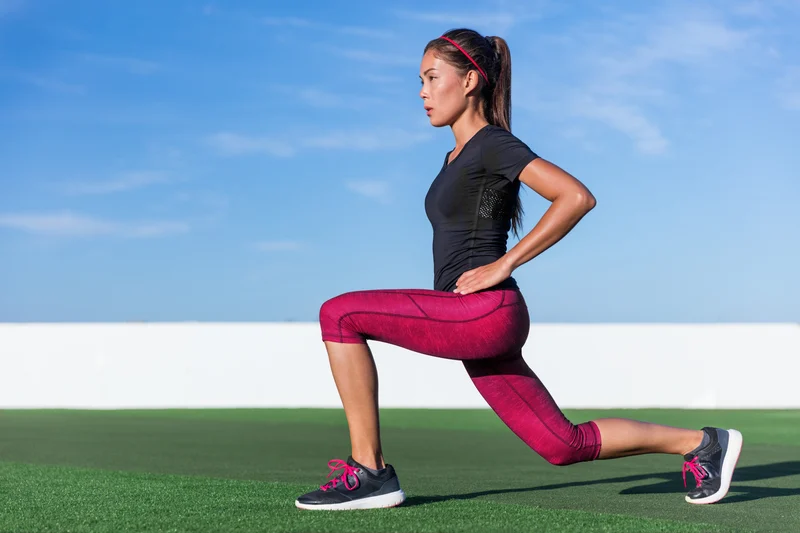
Good blood flow in the legs is essential for maintaining muscle, neuron, and tissue health. When circulation slows, people may experience swelling, fatigued legs, tingling, cramping, cold feet, or discomfort after sitting for an extended amount of time. Poor circulation can be caused by inactivity, long working hours, aging, extra weight, smoking, or certain medical disorders. Regular physical activity helps muscles contract and relax, allowing blood to flow back to the heart. Even basic activities completed at home can be effective.
Exercise does not usually imply strenuous workouts or extended gym sessions. There are some simple, low-impact movements that can help increase circulation. However, it is critical that you maintain consistency and avoid sitting in the same position for long periods of time. Gentle exercises can help to strengthen the leg muscles, increase flexibility, and promote healthy blood circulation. They can also help to improve balance and alleviate lower-body stiffness. Here are some exercises to enhance blood flow in the legs.
Exercises To Improve Blood Flow In The Legs
1. Walking
Walking is one of the easiest and most effective ways to improve blood circulation in the legs. It activates the calf muscles, which work like a pump to move blood upward. A daily walk for 20 to 30 minutes can help reduce stiffness and improve mobility. People who sit for long hours should try short walks during breaks. Even walking indoors or around the house can be helpful if outdoor exercise is not possible.
2. Calf Raises
Calf raises help to strengthen the lower legs and help in better circulation. Stand with feet shoulder-width apart and slowly rise onto the toes. Hold the position for a few seconds and lower the heels back down. Repeat this movement 10 to 15 times in one set. This exercise can be done while standing near a wall or chair for support. It is simple but effective for activating the calf muscles.
3. Ankle Rotations
Ankle rotations are useful for people who spend long periods sitting, such as office workers or travelers. Sit comfortably and lift one foot slightly off the floor. Rotate the ankle in circular motions for several seconds and then switch directions. Repeat with the other foot. This movement helps improve flexibility and encourages blood movement through the lower legs and feet.
4. Leg Lifts
Leg lifts help activate the thigh and hip muscles while improving circulation. Lie flat on the floor or a comfortable surface. Raise one leg slowly while keeping it straight, hold briefly, and lower it back down. Perform this exercise with both legs and repeat several times. This exercise is gentle and can be included in a daily routine without much effort.
5. Cycling
Cycling, whether outdoors or on a stationary bike, is great for supporting blood flow in the legs. The repeated pedaling movement keeps the leg muscles active and improves circulation. Start with short sessions of 10 to 15 minutes and increase the duration gradually. Cycling also supports joint movement and improves lower-body strength.
6. Toe Flexes and Pointing
Toe flexes are easy exercises that can be done while sitting or lying down. Stretch the feet forward by pointing the toes away from the body and then pull them back toward the legs. Repeat the movement slowly several times. This exercise is useful for people who cannot do more demanding workouts but still want to keep blood moving in the legs.
7. Squats
Squats train multiple muscular groups simultaneously, including the thighs, hips, and calves. Stand with your feet slightly apart and slowly bend your knees as if reclining back in a chair. Then slowly return to your starting position. Start with a low number of repetitions and progressively increase. Proper form is essential to avoid strain. Squats help to build strength and circulation.
(Disclaimer: The article’s advice and recommendations are meant primarily as general information and should not be interpreted as expert medical advice. Before beginning any exercise program or making any dietary changes, always get advice from your doctor or a dietitian.)