





 Finance
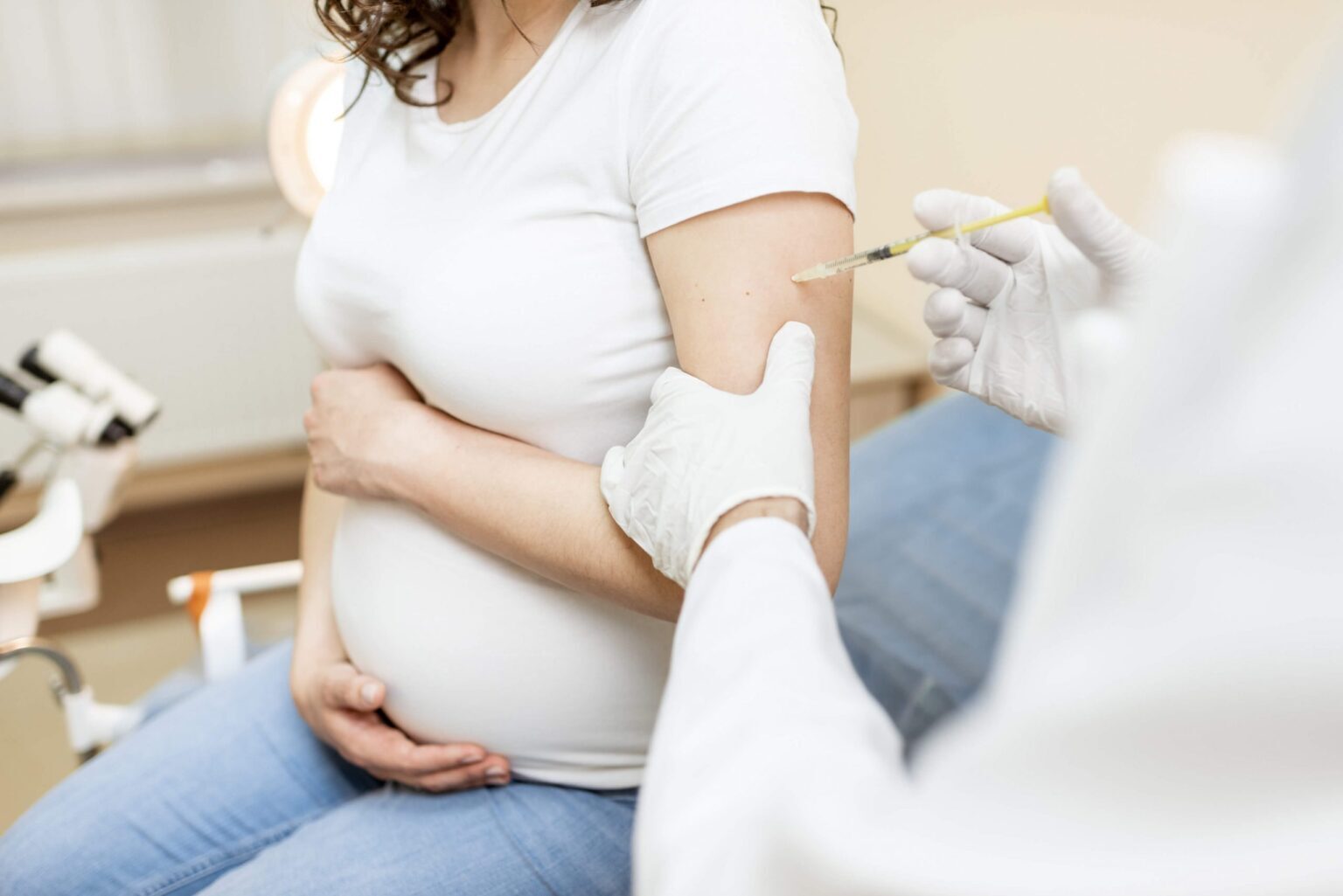
Vaccination is essential for protecting both children and pregnant women from dangerous and potentially fatal diseases. A child’s immune system is still developing during birth, making them more susceptible to sickness.
Similarly, during pregnancy, a woman’s physiology changes, making certain infections more dangerous for both her and her unborn child.
While the body possesses natural defenses against viruses, vaccinations serve as a training mechanism for the immune system. They aid the body’s recognition of hazardous bacteria and the development of immunity without producing sickness.
This not only protects the individual but also reduces the spread of infections in the community.
WHY VACCINES ARE IMPORTANT AFTER BIRTH
After birth, newborns are exposed to a variety of infections. Their immune system is still developing, making early vaccination crucial. The first group of vaccines aims to prevent extremely contagious and potentially fatal diseases like hepatitis B, polio, and rotavirus.
During the first year of life, the newborn receives additional immunizations. These include protection against diphtheria, tetanus, and pertussis. In many circumstances, combination vaccines are used to reduce the number of doses a child requires.
Respiratory infections are also a serious issue in babies. Vaccines against Haemophilus influenzae type b (Hib) and pneumococcal diseases can help avoid dangerous illnesses such as pneumonia and meningitis.
VACCINES AFTER THE FIRST YEAR
When a child reaches one, attention moves to viral infections. The MMR vaccine protects against measles, mumps, and rubella, which were once considered common but can cause significant consequences.
For example, rubella infection during pregnancy can affect the unborn child, resulting in birth abnormalities such as hearing loss or brain damage. Vaccinating youngsters helps to reduce the spread of such illnesses.
The varicella (chickenpox) vaccine is another significant addition. It has transformed what was long considered a typical childhood illness into a preventive disease, lowering the chance of shingles later in life.
VACCINATION IS NOT JUST PERSONAL, BUT PUBLIC HEALTH
Vaccination does not only protect the person receiving it—it also protects the community. When a large number of people are vaccinated, it becomes harder for diseases to spread. This is especially important for those who cannot receive vaccines due to medical conditions like allergies or weakened immunity.
Regular visits to a paediatrician ensure that no vaccine dose is missed. If any doses are delayed, catch-up vaccination can help maintain protection. Seasonal vaccines like the flu shot can also prevent complications that may lead to hospitalisation.
WHAT VACCINES ARE IMPORTANT DURING PREGNANCY
According to Consultant – Paediatrician & Neonatologist and Senior Consultant – Obstetrics, Gynecology, Laparoscopy and Aesthetic Gynecology, vaccination is equally important during pregnancy as it protects both the mother and the baby.
Certain vaccines are specifically recommended during pregnancy:
- Tetanus toxoid (TT): Protects both mother and newborn from tetanus, a serious bacterial infection.
- Influenza (flu vaccine): Helps prevent severe respiratory illness, especially during flu season.
- Tdap vaccine: Given during the third trimester, it protects newborns from pertussis (whooping cough) in the early months of life.
These vaccines not only keep the mother safe but also pass on protective antibodies to the baby, offering early-life immunity.
ADDRESSING VACCINE HESITANCY
Despite overwhelming scientific evidence, some people are still hesitant to vaccinate for safety reasons. However, scientists emphasize that vaccinations go through numerous stages of testing and rigorous examination before being licensed. They are constantly checked for safety and efficacy.
Delaying or refusing immunizations might make infants vulnerable throughout important stages of immunological development. Doctors urge adhering to the immunization schedule and receiving booster doses as needed to ensure long-term protection.
Vaccination is a highly useful strategy in modern medicine. It protects individuals, communities, and guarantees that future generations have healthier lives.
Staying up to date on prescribed vaccines, whether for a newborn kid or a pregnant woman, can help prevent dangerous infections and save lives.
Regular consultations with healthcare specialists can help parents and expecting moms stay on track and make educated vaccination decisions.
(Disclaimer: The article’s advice and recommendations are meant primarily as general information and should not be interpreted as expert medical advice. Before beginning any exercise program or making any dietary changes, always get advice from your doctor or a dietitian.)