







 Finance
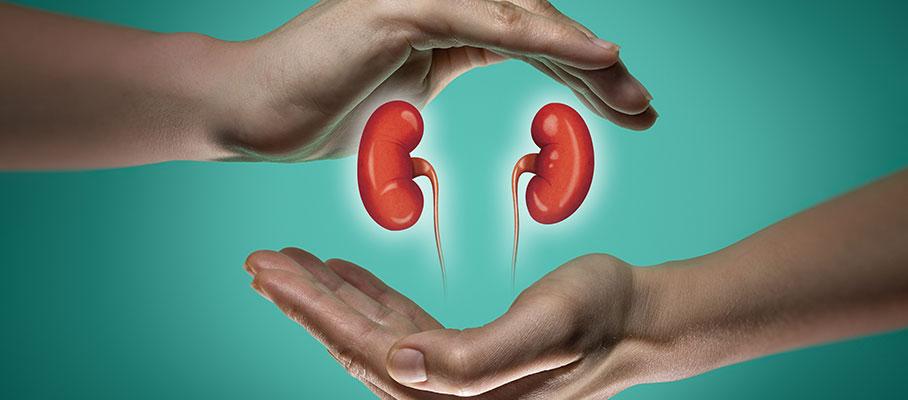
Diabetes is increasingly acknowledged as a multi-organ condition, with the kidneys being particularly sensitive to long-term damage. This expert-backed report describes how diabetic kidney disease frequently develops silently and identifies seven key actions that can help prevent it.
Diabetes is no longer just about controlling sugar levels. Doctors now believe it is a disorder that gradually affects various organs, with the kidneys being particularly vulnerable. What makes this risk more serious is that the damage can occur silently, with no obvious signs in the early stages.
Dr. Ameet Soni, Associate Vice President and Head of Medical Affairs of CORONA Remedies, offered his expert opinion on the matter. In India, where diabetes rates are rising, safeguarding kidney health has become a daily obligation rather than a medical afterthought. The good news is that tiny, consistent practices can have a significant impact long before issues arise.
Why does kidney damage in diabetes often go unnoticed?
The lack of early warning symptoms is one of the most difficult aspects of diabetic kidney disease. There is no sharp pain or dramatic indication. Many people believe they are fine even when gradual damage has already occurred. Over time, high blood sugar levels have an effect on the kidneys’ small blood capillaries. This limits their ability to filter waste adequately. By the time symptoms manifest, the damage has frequently already occurred, which is why early detection is critical.
Keep blood sugar within range, not just occasionally
Managing blood sugar is more than just getting it correct on occasion. It is about maintaining consistency over time. Frequent spikes and decreases exert constant stress on the kidneys, weakening their filtering ability. Even if variations appear slight, long-term instability is what causes difficulties. A steady routine is far more protective than occasional strict control.
Monitor blood pressure as seriously as sugar levels
Both high blood pressure and diabetes can contribute to kidney damage. High blood pressure adds stress to delicate kidney blood vessels and accelerates the damage process. Even slightly high readings can have an impact over time. Regular monitoring and early correction can help reduce long-term risk.
Do not skip kidney function tests
Kidney damage usually does not have any symptoms until later stages, making regular screening tests important. Screening is easy and can be done through urine albumin and blood creatinine levels. These tests are a core part of diabetes management. Early detection gives you a better chance to slow or prevent progression.
Be careful with everyday medications
It’s easy to forget how regular painkillers and over-the-counter medications affect the body. Some drugs, especially when taken often, might restrict blood flow to the kidneys and exacerbate current strain.
This does not suggest that you should avoid from taking any medications. It means that one should exercise caution when taking medication on a regular basis and visit a doctor.
Importance of hydration without excess
Hydration is crucial, but it should not be taken too far. The kidneys require water to do their job of clearing out waste, but too much will disrupt the balance. In this situation, it is best to avoid following fads. This would necessitate taking into account your personal requirements.
Think again about high-protein diet fads
Popular diets with high protein intakes are prevalent for fitness and weight loss programs, but they place additional strain on the kidneys. Protein is beneficial, but only in moderate doses. A balanced and personalized approach is safer than just following diet trends.
Do not ignore subtle warning signs
Early indicators of renal problems might be easily overlooked. These could include mild swelling in the ankles, unexpected weariness, or changes in urine habits. Individually, these symptoms may not appear significant. Together, they can signify that something requires attention. Acting early can make a big difference.
The emphasis today is shifting from responding to damage to preventing it. This adjustment has the potential to have a long-term impact, particularly in a country where diabetes rates continue to grow.
(Disclaimer: The article’s advice and recommendations are meant primarily as general information and should not be interpreted as expert medical advice. Before beginning any exercise program or making any dietary changes, always get advice from your doctor or a dietitian.)