






 Finance
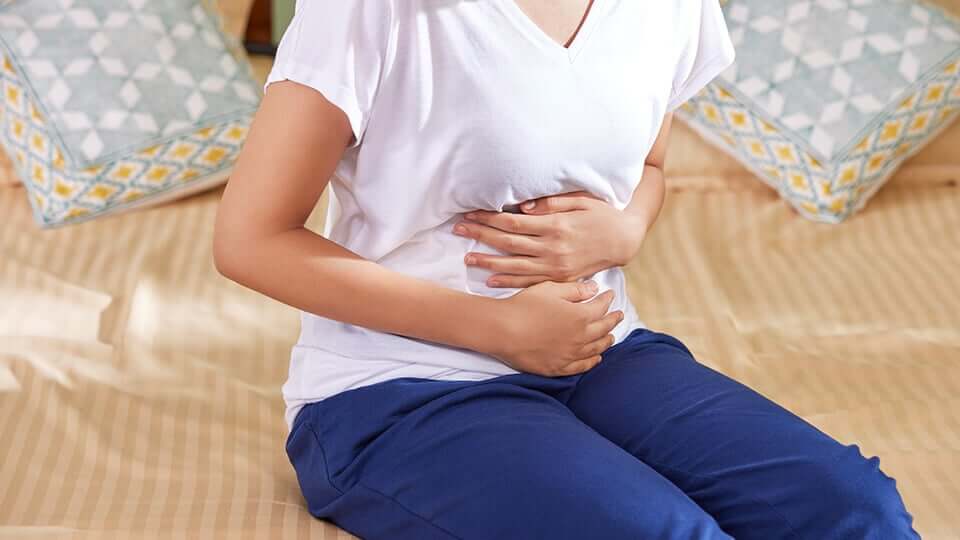
There is a quiet pattern that many women recognize but rarely question. Every month, plans are canceled, routines interrupted, and pain endured under the idea that “this is just how periods are.”
But here’s what physicians want more women to know: not all period discomfort is normal. When it begins to interfere with your life, it could be your body’s way of calling for attention.
When your period pain becomes too much
Menstruation is always associated with some level of discomfort. Cramping occurs as the uterus removes its lining. However, suffering that makes you feel powerless, inconsolable, or even incapacitating should not be ignored.
If you’ve been missing out on events and duties owing to your menstrual cycle, you should pay attention. It’s a signal to pay attention to.
Signs you should not ignore
When pain disrupts daily life
If cramps leave you unable to go to work, attend college, or manage daily tasks, it’s no longer “just periods.”
When the pain is getting worse
Pain that intensifies over the years, especially after your mid-twenties, needs evaluation. Your cycle should not progressively become more difficult.
When medicines stop working
If over-the-counter medication barely helps, or you need increasing doses every month, it’s a red flag.
When pain is not limited to periods
Period pain outside of menstruation, during ovulation, or during sexual intercourse may signify something more serious.
If you experience excessive bleeding
When soaking through sanitary napkins rapidly, passing big clots, or feeling ill along with cramping, do not overlook these signs.
The two kinds of period pain
Dysmenorrhea is the most common type of menstruation discomfort. This type typically begins during adolescence and is linked to hormones known as prostaglandins, which cause muscle contractions within the uterus.
The pain lasts one to three days and may reduce with time or throughout pregnancy.
Secondary dysmenorrhea
This kind differs. It usually starts later and worsens over time. The pain may linger longer than the first day of bleeding.
More significantly, it is commonly associated with an underlying ailment.
What could be causing severe pain
Persistent or worsening pain may be connected to conditions that require medical attention.
Endometriosis
The abnormal growth of tissues like the uterine lining on other organs outside the uterus.
Adenomyosis
The condition of growth of the uterine lining inside the muscle layers of the uterus.
Fibroids
Benign lumps growing in the uterus.
Pelvic inflammatory disease
An infection that may cause pain, especially when accompanied by fever or unusual discharge.
These conditions are more common than many realise, and importantly, they are treatable once diagnosed.
Why women often delay seeking help
Normalisation is one of the most difficult challenges for women’s health. Growing up, one assumes that pain is simply a byproduct of having her period, resulting in years of silent misery.
When seeking medical advice, one’s position may have deteriorated by then. It is critical to monitor one’s menstrual cycle, including any changes in pain levels, length, and bleeding. One may also avoid future health concerns, such as those related to fertility.
Pain shouldn’t control your entire life. Menstrual periods may cause discomfort, but intense or growing pain is not normal. Tuning in to your body and heeding its cautions is not an overreaction; rather, it is smart self-care.
(Disclaimer: The article’s advice and recommendations are meant primarily as general information and should not be interpreted as expert medical advice. Before beginning any exercise program or making any dietary changes, always get advice from your doctor or a dietitian.)