





 Finance
As the sun rises higher and the days lengthen, summer offers not only warmth but also an increase in energy and brightness. However, keeping internal equilibrium becomes more difficult as the seasons change. Ayurveda, an ancient Indian method of natural treatment, promotes aligning one’s diet with the seasons in order to achieve optimal health.
During the summer, cooling, hydrating, and nourishing foods are necessary to counteract the severe heat and calm the Pitta dosha, which tends to surge during this time.
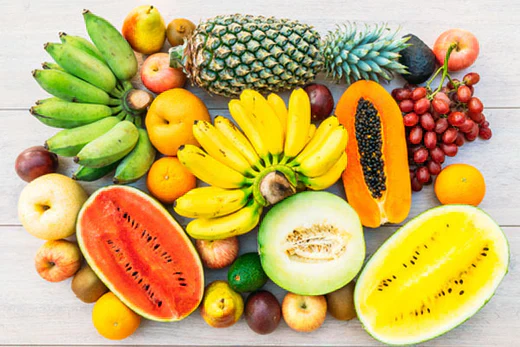
Seasonal fruits, which are high in natural sweetness and essential nutrients, are nature’s ideal solution to the summer’s demands. They not only quench the body’s thirst for water, but they also have significant Ayurvedic advantages that can improve energy, skin health, digestion, and emotional well-being. Individuals who have a better awareness of these fruits and their role in Ayurveda can welcome the season with vitality and harmony
Understanding Summer Through the Lens of Ayurveda
In Ayurveda, each season is associated with a dosha, or biological energy. Summer is predominantly a Pitta season, defined by heat, intensity, and metamorphosis. Pitta’s attributes include hot, bright, sharp, and greasy, and when these characteristics are reflected in the surroundings, they can disrupt internal balance.
How the Body Reacts During Summer:
- Increased body heat
- Dehydration
- Digestive disturbances
- Skin issues like rashes, sunburns, and inflammation
- Irritability and short temper
To offset these effects, Ayurveda suggests eating cooling, hydrating, and soothing foods. Fruits stand out for their natural sweetness, high water content, and relaxing effects. Choosing the correct fruits based on Ayurvedic philosophy might help preserve balance during the hot months.
Ayurvedic Principles for Choosing Summer Fruits
Choosing the right fruits during summer involves understanding basic Ayurvedic principles:
- Cooling Nature: Fruits that have a cooling effect on the body help balance the overheated Pitta.
- Hydration: High water content is crucial to combat dehydration.
- Sweet Taste (Madhura Rasa): Sweet taste is naturally Pitta-pacifying and helps soothe heat-induced imbalances.
- Seasonal and Local: Consuming fruits that are naturally available during the summer ensures that the body gets what it needs at the right time.
Avoiding overly sour, salty, or spicy fruits is also essential, as these can aggravate Pitta and lead to discomfort.
Top 10 Seasonal Fruits for Summer and Their Ayurvedic Benefits
Now, let’s explore the top fruits Ayurveda loves for summer, along with their unique benefits and tips on how best to enjoy them.
1. Watermelon (Tarbooj)
Properties: Sweet, cooling, hydrating
Dosha Effect: Pacifies Pitta and Vata
Watermelon is Ayurveda’s ultimate gift for the summer. Its high water content replenishes lost fluids, while its cooling nature soothes overheated systems. Rich in electrolytes, it helps prevent dehydration and heat strokes.
How to enjoy: Best eaten alone, on an empty stomach. Avoid combining with dairy or other heavy foods to prevent digestive discomfort.
2. Mango (Aam)
Properties: Sweet, slightly heating, but can be cooling when ripe
Dosha Effect: Balances Vata and Kapha; careful for Pitta
Mango, often called the “King of Fruits,” is revered not just for its flavor but also for its rejuvenating properties. In Ayurveda, ripe mangoes are considered nourishing and strength-giving.
How to enjoy: Ripe mangoes can be soaked in water for an hour before consumption to reduce any heat-inducing qualities.
3. Pomegranate (Anar)
Properties: Sweet, astringent, cooling
Dosha Effect: Balances all three doshas, especially Pitta
Pomegranate is a cooling fruit that supports healthy digestion, heart function, and blood purification. It is often used in Ayurveda to balance excess heat and cleanse the system.
How to enjoy: Fresh juice or seeds can be consumed, preferably mid-morning.
4. Cucumber (Kheera)
Properties: Cooling, hydrating, light
Dosha Effect: Great for balancing Pitta
Though often thought of as a vegetable, cucumber’s fruit-like nature makes it a summer staple. It flushes out toxins and maintains skin hydration.
How to enjoy: Sliced and sprinkled with a pinch of rock salt or made into cooling cucumber raita.
5. Coconut (Nariyal)
Properties: Sweet, cooling, light
Dosha Effect: Balances Pitta and Vata
Tender coconut water is like nature’s isotonic drink, rich in minerals and highly hydrating. It soothes the digestive tract and boosts immunity.
How to enjoy: Fresh tender coconut water is ideal, preferably consumed before noon.
6. Papaya (Papita)
Properties: Sweet, light, slightly warming but balancing
Dosha Effect: Balances Vata and Kapha; moderate intake for Pitta
Papaya is well-known in Ayurveda for its digestive benefits. It contains an enzyme called papain, which helps in breaking down proteins and easing digestion, especially important during summer when digestive fire (Agni) can become erratic.
How to enjoy: Fresh papaya slices in the morning promote a light, energized feeling. Avoid mixing papaya with dairy to prevent digestive issues.
7. Grapes (Angoor)
Properties: Sweet, cooling, nourishing
Dosha Effect: Primarily pacifies Pitta; can balance Vata and Kapha in moderation
Grapes are a Pitta-soothing powerhouse. Their sweet, juicy nature hydrates the body and replenishes energy levels. They are also excellent for calming the mind and alleviating fatigue.
How to enjoy: Choose fresh, organic grapes, preferably green varieties, and enjoy them as a mid-morning snack.
8. Lychee (Litchi)
Properties: Sweet, juicy, cooling
Dosha Effect: Pacifies Pitta, balances Vata
Lychee is rich in antioxidants and vitamin C, providing a natural boost to the immune system. In Ayurveda, it’s praised for its rejuvenating (Rasayana) properties, especially beneficial during the draining heat of summer.
How to enjoy: Fresh lychees make for a refreshing snack. Consume them in moderation to avoid excess sweetness accumulation.
9. Muskmelon (Kharbooja)
Properties: Sweet, cooling, hydrating
Dosha Effect: Excellent for Pitta; balances Vata
Muskmelon is light, moist, and deeply hydrating, making it ideal for summer. It also supports healthy elimination and keeps the skin radiant and supple.
How to enjoy: Eat muskmelon alone, not mixed with dairy or other fruits, to avoid digestive disturbances.
10. Cherries (Gilās)
Properties: Sweet, slightly astringent, cooling
Dosha Effect: Pacifies Pitta and Vata
Cherries, though small, pack a potent nutritional punch. Rich in antioxidants and natural anti-inflammatory compounds, they support skin health, reduce heat-induced inflammation, and enhance vitality.
How to enjoy: Fresh cherries can be eaten as a light snack. Avoid overly processed versions with added sugar.
Role of Seasonal Fruits in Ayurvedic Skin Care for Summer
Ayurveda regards the skin as a reflection of internal health. The water-rich, antioxidant-packed profile of summer fruits supports vibrant, youthful skin in several ways:
- Hydration: Fruits replenish internal moisture, reducing dryness and sensitivity.
- Detoxification: High fiber content in fruits promotes toxin elimination.
- Glow and Radiance: Fruits rich in vitamins A and C, like papaya and cherries, naturally enhance the skin’s glow.
- Pitta Management: By cooling the body internally, fruits help prevent skin inflammations like rashes and acne.
Conclusion: Embrace Ayurveda for a Healthy Summer
Summer fruits are nature’s gift for battling heat-related diseases. By incorporating them carefully, one can maintain energy and balance.