







 Finance
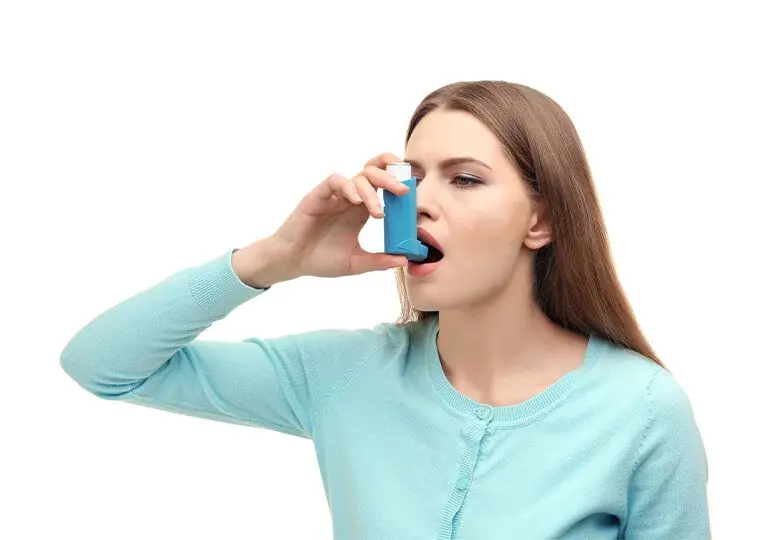
Doctors have warned that when temperatures rise in many places, heat and air pollution could pose a major health risk to many people. Pollution’s impact on humans extends beyond the respiratory tract; researchers have established that pollution and heat are responsible for a large number of skin disorders.
High-risk patients include children, the elderly, and those who have pre-existing diseases such as asthma or allergies. Hot air, high humidity levels, and pollution particles can all irritate the lungs and skin tissues, making breathing difficult or causing infections and allergic reactions in humans.
Pollution triggers asthma symptoms in individuals
As per Dermatologist, Mumbai, pollutants like PM2.5 particles, smoke, emissions from automobiles, and harmful chemical gases can trigger inflammation of air passages, aggravating asthma conditions in affected individuals.
Symptoms caused by pollution and exposure to dust
Studies show that exposure to pollution and heat might cause:
- Chronic coughs
- Wheezing
- Chest pains
- Shortness of breath
- Breathing difficulties
High levels of humidity and polluted, still hot air may worsen these conditions, particularly in summer.
The reasons for increased skin conditions in summer
Health professionals advise that pollution is one of the significant causes for worsening skin conditions, especially along with heat and perspiration. Perspiration and pollution may clog the pores of the skin. The fine toxic particles in the air may accumulate on the skin surface and clog the pores, resulting in:
- Acne
- Rashes
- Irritation
- Allergies
- Bacterial and fungal infections
Perspiration caused by hot summer weather provides conditions for easy multiplication of microorganisms, causing fungal and other skin infections, such as ringworm. Similarly, air conditioning and sudden variations in temperature may also influence skin conditions.
Whom are these effects more likely to affect?
Individuals residing in polluted urban areas are likely to suffer from heat-related illnesses during summers. According to doctors, pregnant women, children, the elderly population, and those suffering from asthma, allergies, and sensitive skin are advised to take precautions.
How can one minimise the effects of heat and pollution on the skin?
Some preventive steps have been recommended by experts, which are listed below:
- Avoid going out during the hottest time of the day.
- Wear masks in polluted areas.
- Ensure proper washing of faces and hands after coming back home.
- Consume sufficient amounts of water throughout the day.
- Apply a lightweight non-oily moisturiser on the skin.
Growing plants near dwellings may help to improve air quality to some extent. According to doctors, rising temperatures and pollution are making it harder for respiratory and skin health. While the dangers are increasing, taking precautions, using good skincare, and seeking frequent medical attention can help lower the likelihood of severe asthma flare-ups and skin issues.
Because apparently summer now comes with heat, humidity, pollution and an unsolicited skincare challenge all at once.
(Disclaimer: The article’s advice and recommendations are meant primarily as general information and should not be interpreted as expert medical advice. Before beginning any exercise program or making any dietary changes, always get advice from your doctor or a dietitian.)